Most cricket fans know what an IPL player earns. Crores for six weeks. Big brands. Bigger crowds.
But ask the same fan what a Ranji Trophy player earns per match, and most will guess wrong. Very wrong.
Ranji Trophy is where Indian cricket is actually built.
It is where Rohit Sharma, Cheteshwar Pujara, and dozens of Test regulars sharpened their game long before anyone knew their names.
And yet, the financial side of this competition stays oddly under-discussed.
Ranji Trophy Player Salary 2026
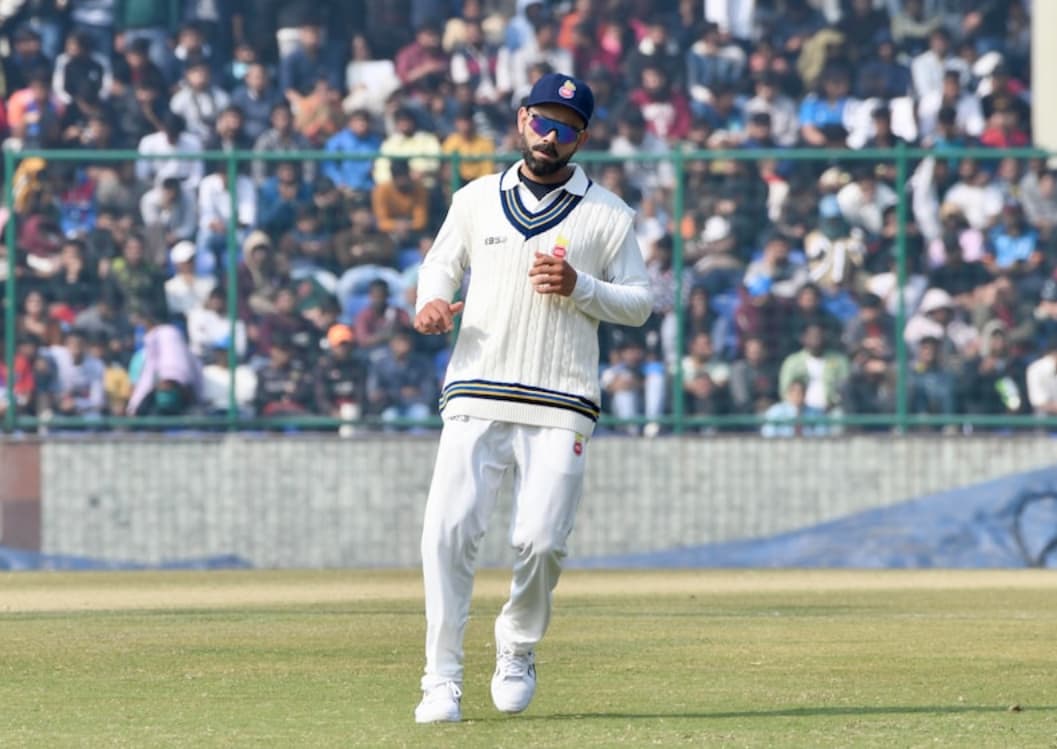
So here it is. The full Ranji Trophy player salary structure for 2026, what per match fees look like, what a full season adds up to, and where the BCCI is headed with domestic pay reform.
Ranji Trophy Player Salary 2026: The Official Pay Structure
The BCCI pays Ranji Trophy players a daily match fee. The rate depends on two things: how many first-class matches the player has played in their career, and whether they are in the playing XI or sitting as a reserve.
Here is the current structure:
| Experience Category | Playing XI (Per Day) | Reserve (Per Day) |
|---|---|---|
| 41–60 matches | ₹60,000 | ₹30,000 |
| 21–40 matches | ₹50,000 | ₹25,000 |
| 0–20 matches | ₹40,000 | ₹20,000 |
| Non-playing squad members | ₹25,000 | — |
A Ranji Trophy match runs over four days (plus a possible reserve day).
So a senior player in the playing XI earns ₹2.4 lakh per match, minimum. That adds up fast across a full campaign.
Ranji Trophy Player Salary Per Season: Full Campaign Earnings
A full Ranji Trophy season includes group stage matches, knockouts, and possibly the final.
Teams that go deep play around 8 to 10 matches, sometimes more.
Here is a rough breakdown for a senior player (41+ matches, playing XI):
| Journey in Season | Approx. Matches | Approx. Earnings (₹) |
|---|---|---|
| Group stage exit | 5–6 matches | ₹12–14.4 lakh |
| Quarterfinal exit | 6–7 matches | ₹14.4–16.8 lakh |
| Semifinal exit | 7–8 matches | ₹16.8–19.2 lakh |
| Final appearance | 9–10 matches | ₹21.6–24 lakh |
So a senior player whose team reaches the final can earn around ₹22–25 lakh in a season.
A younger player in the 0–20 match bracket earns less, around ₹17–19 lakh for a deep run.
These are solid numbers for domestic cricket.
But compared to even a base IPL salary of ₹20 lakh for four to six weeks, the gap is clear.
What BCCI Is Planning: A Possible Salary Doubling
This is the part that domestic cricket followers are watching closely.
The BCCI has been studying proposals to roughly double the Ranji Trophy match fee structure.
Under the proposed revision, senior players in the playing XI could earn close to ₹1 lakh per day.
This would push full-season earnings for a senior cricketer to somewhere between ₹75 lakh and ₹1 crore.
No official announcement has been made as of mid-2026. But the direction is clear.
The BCCI earns substantial revenue from the IPL broadcast deal and global cricket rights.
Some of that money is being directed back into domestic cricket infrastructure, and player pay is part of that conversation.
For context: Aakash Chopra, who opened for Delhi in the late 1990s, recalled earning just ₹1,700 per Ranji match early in his career.
By the time he retired, the daily fee had climbed to around ₹10,000. The jump to ₹40,000–₹60,000 per day today reflects how dramatically the economics of Indian cricket have changed.
How Ranji Trophy Pay Compares to Other Domestic Formats?
The Ranji Trophy is not the only domestic tournament players compete in.
The BCCI also runs the Vijay Hazare Trophy (List A), the Syed Mushtaq Ali Trophy (T20), and the Duleep Trophy. Each has its own fee structure.
The Ranji Trophy pays more per match day because it is a longer format.
A four-day match pays more in total than a single-day or T20 game, even if the daily rates for those shorter formats are similar.
Players who are regulars in all three formats, and who are selected for 8–12 matches per format, can put together an annual domestic income of ₹30–40 lakh before any IPL earnings, state contracts, or endorsements are factored in.
It is not a glamorous number by IPL standards. But it is a real income, and the BCCI has been working to make it more reliable and more reflective of the commitment involved.
The IPL vs. Ranji Trophy Earnings Gap
Let us be honest about the gap.
An uncapped IPL player on a base contract earns ₹20 lakh for a season that runs roughly six to seven weeks.
A player retained at ₹50 lakh earns that for the same window. Stars earn multiple crores.
Ranji Trophy requires a far larger time commitment.
Players train through India’s hottest months, travel across states, and play four-day matches that demand more physical and mental output than any T20 format. The season runs from October to February or March.
The pay gap does create pressure. Younger players who do not earn IPL contracts sometimes turn to other employment or state-level coaching roles to supplement income.
The BCCI’s proposed hike is intended to reduce that pressure and keep quality players committed to domestic cricket.
Why Ranji Trophy Still Matters (Financially and Otherwise)?
The Ranji Trophy is not just a stepping stone to bigger contracts. For many Indian cricketers, it has been the primary source of cricket income for years.
Players who are not in the IPL, who never get capped internationally, and who play domestic cricket for 10–12 years still build a meaningful career.
At current rates, a player with a 10-year career playing regularly for a competitive state side can earn ₹1.5–2 crore over that period from match fees alone.
Add state contracts, which many state cricket associations offer separately from BCCI match fees, and the numbers improve further.
The real value of Ranji Trophy reforms is not just the money. It is the signal.
When BCCI raises domestic pay, it tells players that the red-ball game is worth building a career around.
That matters for the long-term health of Indian Test cricket.
FAQs
- Q1. What is the Ranji Trophy player salary per match in 2026?
Senior players (41+ matches) earn ₹60,000 per day in the playing XI, which means ₹2.4 lakh for a four-day match. Players with 0–20 matches earn ₹40,000 per day.
- Q2. How much does a Ranji Trophy player earn per season?
For a senior player whose team reaches the final, total earnings can reach ₹22–25 lakh. Younger players in the 0–20 match category earn ₹15–19 lakh for a similar run.
- Q3. Is BCCI planning to raise Ranji Trophy salaries?
Yes. Reports indicate the BCCI is reviewing a proposal to roughly double current match fees, which could push senior player earnings to ₹75 lakh–₹1 crore per season. No formal announcement has been made yet.
- Q4. Do Ranji Trophy players earn a fixed salary or only match fees?
BCCI pays per match fees based on experience and playing status. Some state cricket associations also offer separate annual contracts. There is no single fixed monthly salary from BCCI.
- Q5. How do reserve players get paid?
Reserve players earn 50% of the playing XI rate for their experience bracket. A senior reserve earns ₹30,000 per day. Non-playing squad members get ₹25,000 per day.
- Q6. Can a cricketer earn a living solely from Ranji Trophy?
Yes, and many do. A regular player across multiple domestic formats can earn ₹30–40 lakh per year from BCCI match fees. It is a workable career, especially with state contracts added.
Conclusion:
Ranji Trophy player salary in 2026 is better than most fans expect, though still well below IPL earnings.
Senior players earn ₹60,000 per day in the playing XI, with a full season potentially worth ₹22–25 lakh.
A proposed BCCI salary revision could push those figures to ₹75 lakh–₹1 crore per season, which would be a real shift.
For cricket fans, this matters because better-paid domestic players produce better Test cricketers.
And for players eyeing a long domestic career, the financial picture in 2026 is genuinely more stable than it was a decade ago.
About the Author
