Cricket is England’s national sport, but what does playing it for your country actually pay?
Most fans know the stars – Root, Stokes, Buttler – but few know what the ECB pays them to wear the Three Lions and who are the richest England cricketers.
The answer is more structured than you might expect, and significantly more generous than it was a decade ago.
How Much Do England Cricketers Get Paid?
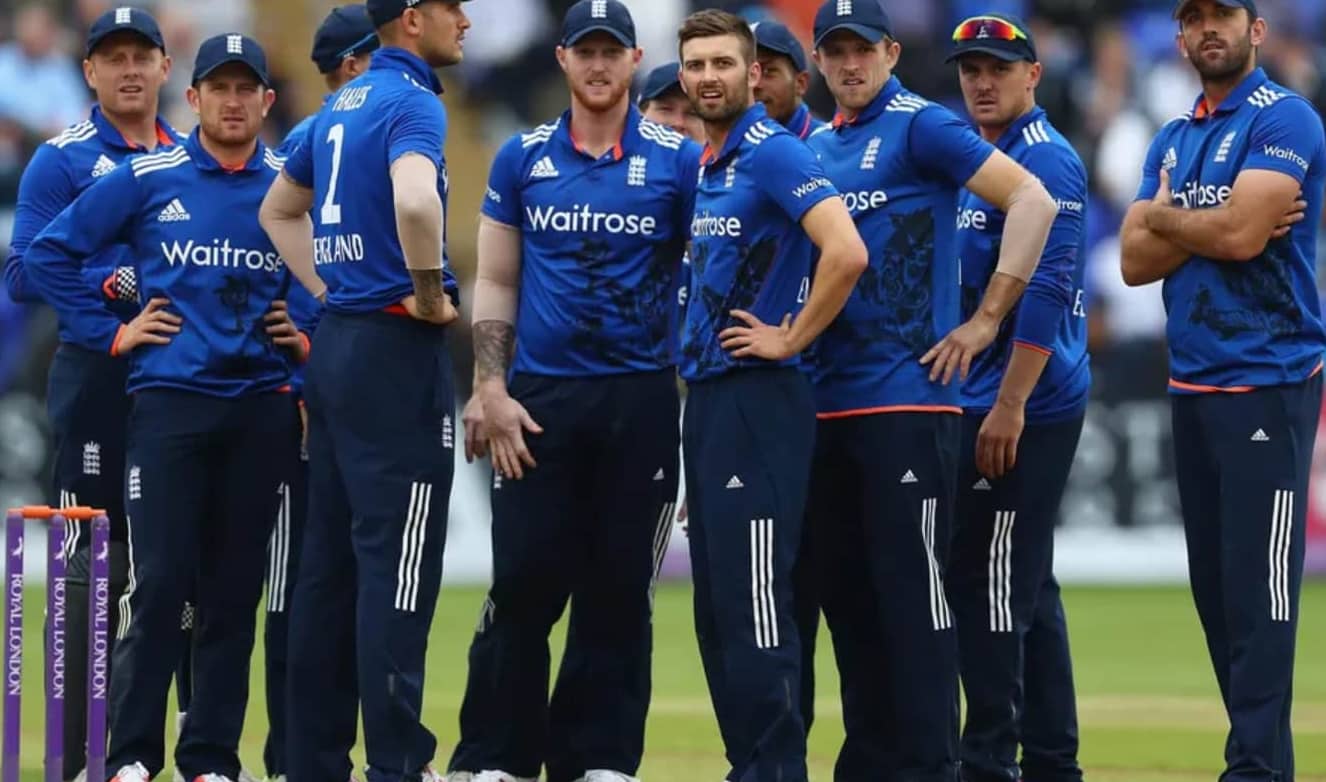
Here’s a full breakdown of how much England cricketers get paid, from their annual central contracts to the match fees they receive every time they take the field.
How the ECB Pays Its Players?
England players don’t just pick up a wage for turning up.
The England and Wales Cricket Board pays contracted players through two main channels: an annual central contract salary and per-match fees on top of that.
Central contracts are awarded each year in October and reviewed the following September.
Since 2023, the ECB has moved away from purely one-year deals and now offers multi-year contracts to provide players with greater financial stability – bringing England in line with systems used by Cricket Australia and the BCCI.
ECB Central Contract Salary Ranges
Annual salaries for centrally contracted England players range from roughly £130,000 to £800,000, depending on the player’s format coverage and seniority.
| Player Tier | Approximate Annual Salary |
|---|---|
| Top-tier (all formats) | Up to £800,000 |
| Mid-tier (multi-format) | £400,000–£650,000 |
| Specialist/role player | £130,000–£350,000 |
| Development contract | Undisclosed (lower) |
Players who appear across Test, ODI, and T20 cricket tend to earn the highest salaries.
Those contracted for white-ball cricket only — or those on development deals — sit at the lower end.
England Cricketers’ Match Fees Per Game
On top of their contract salary, England players receive a match fee for every international appearance. These fees vary by format:
| Format | Match Fee |
|---|---|
| Test matches | £12,500 per match |
| ODIs | £5,000 per match |
| T20 Internationals | £3,500 per match |
A player who appears in all five Tests of an Ashes series earns an extra £62,500 in match fees alone — on top of their base salary.
How Much Do England Cricketers Get Paid Per Year? Top Earners
For the highest-profile players, the numbers are substantial. Based on available reports from the 2023–24 contract cycle:
- Joe Root, Mark Wood, Jos Buttler, Jonny Bairstow, Jofra Archer, Liam Livingstone, Ollie Pope, Chris Woakes, Moeen Ali, Ben Stokes — approximately €900,000 per year
- Zak Crawley, James Anderson, Ben Foakes, Jack Leach — approximately €650,000 per year
- Sam Curran, Adil Rashid — approximately €350,000 per year
Note: The ECB reports salaries in euros through its official structures, which is why euro figures appear alongside the pound-denominated match fees.
The Four ECB Contract Types Explained
The ECB currently offers four contract categories, each designed for a different type of player:
- 1. Three-Year Central Contracts
Reserved for players integral to England’s long-term plans across multiple formats. The highest level of financial commitment the ECB makes.
- 2. Two-Year Central Contracts
For established international players with a clear role in at least one format. The 2025–26 cycle included 14 players on this tier.
- 3. One-Year Central Contracts
Typically given to players returning from injury, those in more specialist roles, or those whose place in the squad is subject to form. Also used for senior players near the end of their international careers.
- 4. Development Contracts
For emerging talent. These contracts give younger cricketers financial support and ECB access without a full international deal. Salaries are not publicly disclosed but are designed as a stepping stone.
England’s Centrally Contracted Players (2025–26 Season)
On 4 November 2025, the ECB announced 26 centrally contracted players for the period October 2025 to September 2026.
Five players — Sonny Baker, Liam Dawson, Saqib Mahmood, Jamie Overton, and Luke Wood — received their first central contracts.
Seven players from the previous cycle were not retained, including Jonny Bairstow, Jack Leach, Liam Livingstone, and the retired Chris Woakes.
Two-Year Contracts (14 Players)
| Player | Status |
|---|---|
| Jofra Archer | Retained |
| Gus Atkinson | Retained |
| Jacob Bethell | Retained |
| Harry Brook | Retained |
| Jos Buttler | Retained |
| Brydon Carse | Retained |
| Sam Curran | Retained |
| Ben Duckett | Retained |
| Will Jacks | Retained |
| Adil Rashid | Retained |
| Joe Root | Retained |
| Jamie Smith | Retained |
| Ben Stokes | Retained |
| Josh Tongue | Retained |
One-Year Contracts (12 Players)
| Player | Status |
|---|---|
| Rehan Ahmed | Retained |
| Sonny Baker | New |
| Shoaib Bashir | Retained |
| Zak Crawley | Retained |
| Liam Dawson | New |
| Saqib Mahmood | New |
| Jamie Overton | New |
| Ollie Pope | Retained |
| Matthew Potts | Retained |
| Phil Salt | Retained |
| Mark Wood | Retained |
| Luke Wood | New |
Development Contracts (4 Players)
| Player | Status |
|---|---|
| Josh Hull | Retained |
| Eddie Jack | New |
| Tom Lawes | New |
| Mitchell Stanley | New |
Other Ways England Cricketers Earn Money
A central contract is the foundation, but it’s rarely the whole picture. England players can significantly boost their income through:
- The Hundred — the ECB’s flagship domestic tournament, with player salaries ranging widely by tier
- IPL and other franchise leagues — subject to ECB availability clearance, but a major income stream for those who participate
- County cricket — centrally contracted players must get ECB permission to play, but county deals can supplement income
- Brand endorsements and sponsorships — top players like Root, Stokes, and Buttler hold personal sponsorship deals with equipment brands, clothing companies, and commercial partners
Why Central Contracts Matter Beyond the Money?
There’s a control element to central contracts that doesn’t always get discussed. When the ECB signs a player, it also controls their availability.
They cannot play county cricket or overseas franchise cricket without ECB permission.
That matters for two reasons. First, it protects players from burnout — the ECB can rest key players and manage workloads across a packed international calendar.
Second, it keeps England’s best cricketers focused on the national team rather than chasing franchise money elsewhere.
The shift to multi-year contracts since 2023 has also made it easier for players to plan their lives without worrying about annual renewal negotiations.
That stability is worth something, even for players who could probably earn more in pure franchise cricket.
FAQs
- How much does an England cricketer earn per Test match?
England players receive £12,500 per Test match as a match fee, on top of their annual central contract salary.
- What is the highest salary an England cricketer can earn?
Based on available reports, top-tier England players earn up to approximately £800,000 per year through their ECB central contracts.
- How much do England cricketers get paid per ODI?
The match fee for an ODI is £5,000. For T20 Internationals, it is £3,500 per game.
- How often does the ECB renew central contracts?
Contracts are reviewed every September and take effect from October. Since 2023, the ECB has offered one-year, two-year, and previously three-year contracts depending on the player.
- Do all English cricketers earn the same salary?
No. Salaries vary significantly by contract length, format coverage, and seniority. The range runs from undisclosed development contract fees up to approximately £800,000 for top-tier players.
- Can England cricketers play in the IPL while under contract?
Yes, but only with ECB permission. The board controls player availability, so IPL participation is granted case by case based on the international schedule.
Conclusion:
England cricketers at the top end earn up to £800,000 per year through their central contracts, plus £12,500 every time they play a Test match.
Add franchise cricket, The Hundred, and endorsement deals, and the total package for elite players is substantial.
But not every contracted England cricketer is on top-tier money.
Development players and format specialists earn considerably less, and the gap between a development contract and a three-year deal is enormous.
What the ECB system does well is create a clear structure — one that rewards longevity, multi-format availability, and consistent performance at the international level.
About the Author
