Some cricket matches feel heavier than others. No warm-up game. No series buffer. Just one match, one result, and that’s it.
That’s a one-off. And in cricket, those games tend to stick in your memory longer than most.
Whether it’s a debut Test for a new nation or a stand-alone T20I squeezed into a packed schedule, one-off tournaments and matches carry a different kind of weight.
One-Off Tournaments
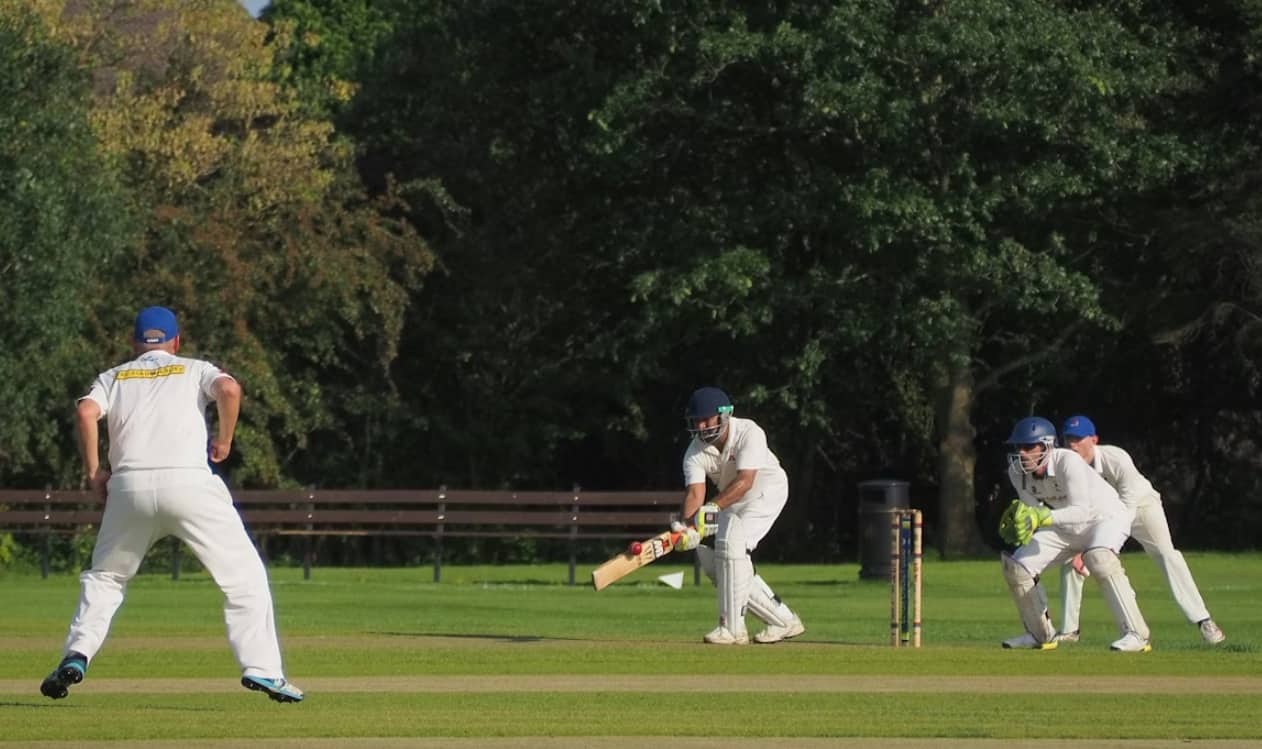
This guide breaks down exactly what they are, why they exist, and which ones fans still talk about.
What Is a One-Off Tournament in Cricket?
A one-off tournament is a cricket event played only once, as a stand-alone fixture. It isn’t part of a longer series or a recurring annual competition.
In practice, this can mean:
- One-off Test: A single Test match, not part of a 2, 3, or 5-match series
- One-off ODI or T20I: A limited-overs international played as a single fixture
- One-off tournament: A small, standalone event, sometimes a tri-series or knockout, held once without a fixed annual calendar
The key detail: there’s no second chance. Win or go home.
Why Do Boards Schedule One-Off Matches?
These fixtures don’t happen by accident. Cricket boards plan them for specific reasons.
- Tight schedules. The international calendar is packed. Sometimes there’s only room for one match, not a full series.
- New teams. When a nation earns Test status, its first match is often a one-off. Ireland vs Pakistan (2018) and Afghanistan vs India (2018) both started this way.
- Commemorations. A stadium opening, a national cricket milestone, or a tribute to a retiring legend can all prompt a one-off fixture.
- Budget and logistics. Smaller boards can’t always fund a full tour. A single match works better for them financially.
- Format trials. Boards sometimes use stand-alone events to test new rules, unusual team combinations, or tournament formats before committing to something bigger.
One-Off Tests: The Full Picture
A one-off Test carries full ICC status. It counts for rankings, player averages, career records, and everything else. The only difference is that there’s no next game to make up for a bad performance.
Famous One-Off Tests
- Afghanistan vs India, Bengaluru 2018: Afghanistan’s first-ever Test match. India won inside two days, but the fixture was historic. It gave Afghanistan full Test status in practice, not just on paper.
- India vs Bangladesh, Fatullah 2015: This was Bangladesh’s 100th Test. Rain stopped most of the play, and the match ended as a draw, but the milestone mattered regardless of the result.
- Afghanistan vs New Zealand, Greater Noida 2024: Scheduled as Afghanistan’s first Test against New Zealand. The rain washed out the entire match. Not a single ball was bowled. Still, it showed how far Afghanistan’s Test calendar has grown.
What Makes One-Off Tests Different?
Players can’t afford a slow start. Captains often play more aggressively because there’s no second game to shift the momentum. A century or a five-wicket haul in a one-off Test carries the same statistical weight as one in a five-match series, but the pressure around it is harder to compare.
One-Off ODIs and T20Is
Shorter formats see even more stand-alone fixtures.
One-Off ODIs
- World XI vs Australia, Melbourne 2005 (ICC Super Series): A star-studded World XI faced Australia in a one-off ODI during a short experimental series. The concept was unusual, the game was entertaining, and cricket fans still bring it up as an example of something that should probably happen more often.
- 2019 ODI World Cup Final, Lord’s: Technically, every World Cup final is a one-off decider. The 2019 final between England and New Zealand is now widely called the greatest ODI ever played. The match tied. The Super Over tied. England won on boundary count. A one-off match, one result, one of cricket’s most debated finishes.
One-Off T20Is
- Australia vs South Africa, Johannesburg 2006: This was the only T20I on that tour. T20 internationals were still new at the time. The match was played partly as an experiment, and the format has obviously grown quite a bit since.
Many commemorative T20Is also fall into this category: a single match played to mark an anniversary, farewell, or special occasion.
One-Off Tournament Formats and Standings
Not all one-off tournaments are a single match. Some use a small group stage before a final. Here’s how standings typically work across common formats:
- Single-match final: No standings table. One game, one winner.
- Mini tri-series: Three teams play each other once. Points and net run rate decide who reaches the final.
- Small round-robin: Four teams, two matches each, then a knockout.
Example Standings Table (Tri-Series Format)
| Team | Matches | Won | Lost | Points | NRR |
|---|---|---|---|---|---|
| Team A | 2 | 2 | 0 | 4 | +1.12 |
| Team B | 2 | 1 | 1 | 2 | +0.43 |
| Team C | 2 | 0 | 2 | 0 | -1.55 |
When it’s just a single match, the concept of a standings table doesn’t apply. The result is the table.
One-Off Tournament Schedule: How They Fit the Calendar
One-off events usually fill gaps in the Future Tours Programme (FTP). They’re often announced a few months before they happen. Here’s what a typical short tournament schedule looks like:
| Date | Match | Venue | Time (Local) |
|---|---|---|---|
| Day 1 | Team A vs Team B | Dubai | 7:30 PM |
| Day 4 | Team B vs Team C | Sharjah | 3:30 PM |
| Day 7 | Team A vs Team C | Abu Dhabi | 7:30 PM |
| Day 10 | Final | Dubai | 7:30 PM |
To track upcoming one-off fixtures, the ICC’s official website and ESPNcricinfo’s fixtures section are the most reliable sources.
One-Off Tournaments in India
India is one of the most active countries for one-off cricket fixtures. The BCCI regularly schedules stand-alone internationals, especially during transition periods between home series.
Examples include single-match T20I warm-ups before ICC events, charity matches, and domestic one-off finals between IPL champions and a combined India XI.
These attract massive viewership because any match involving India draws an enormous audience, even without a series context.
One-Off Tournaments in Asia
Asia hosts a large share of one-off tournaments, particularly in the UAE.
Countries like Afghanistan, whose home conditions make hosting difficult, often schedule matches there.
The Asia Cup has occasionally used one-off finals between top-ranked sides during years when a full tournament wasn’t feasible.
Afghanistan vs various opponents and Pakistan vs India in neutral venues have all produced memorable one-off contests across formats.
Impact on Players
From a player’s perspective, a one-off match is a mental challenge more than a tactical one.
There’s no warm-up period within the series. If a batter struggles in the first innings of a one-off Test, there’s no second innings in another game to recover form. The pressure is front-loaded.
Captains tend to make bolder decisions. No second game means no reason to save an aggressive move for later.
You’ll see unusual field placements, early declarations, and more attacking bowling changes than in a regular series.
For younger players, a one-off match can define a career faster than a full series.
One five-wicket haul or one unbeaten century in a stand-alone game carries the full weight of statistical record, and cricket fans remember it clearly.
The Future of One-Off Tournaments
As the international calendar gets busier, one-off events are becoming more common, not less.
- Mini tri-series. Several boards are using a 7-10 day tri-series in FTP gaps as ICC event preparation. These are technically one-off tournaments because they don’t recur annually on a fixed schedule.
- Special one-match finals. The idea of a single deciding match between top-ranked teams in white-ball cricket has been discussed by several boards as a commercial event.
- Domestic challenges. India and Australia use season-opening champion vs. all-stars formats as standalone events.
- Improved scheduling windows. As bilateral series and T20 leagues get better coordinated, gaps will open up. One-off tournaments will fill them.
The format isn’t going away. If anything, the shorter and more intense, the better it fits what broadcasters and fans want right now.
FAQs
- What is a one-off tournament in cricket?
A one-off tournament is a standalone event played once. It’s not part of a recurring league or multi-match series.
- Do one-off matches count for ICC rankings?
Yes. If the ICC grants the match official status, it counts fully for both team rankings and individual player records.
- Why does the BCCI or ICC schedule one-off Tests?
Reasons include tight tour schedules, commemorative events, and giving newly admitted Test nations their first official match.
- Which one-off match is considered the best in cricket history?
The 2019 ODI World Cup Final between England and New Zealand is widely regarded as the greatest. It tied twice and was decided on boundary count.
- Do one-off tournaments have standings?
Some do. Tri-series formats use a points table and NRR. Single-match finals have no standings table.
- How do I find upcoming one-off cricket fixtures?
Check the ICC’s official website or ESPNcricinfo’s international schedule section for the latest fixtures and confirmed dates.
- Are one-off T20Is common?
Yes. They appear regularly during short tours, as warm-up games before ICC events, and as commemorative fixtures.
Conclusion:
One-off tournaments are short. That’s the point. One match, or a few days of cricket, with a clear result at the end.
They serve real purposes: filling schedules, marking history, giving new teams their debut, and producing some of cricket’s most memorable moments.
The 2019 World Cup Final. Afghanistan’s first Test. Australia vs the World XI.
These weren’t warm-ups. They were the whole thing.
If you follow cricket seriously, one-off matches are worth tracking.
They often produce better cricket than the middle matches of a long series, precisely because no one can afford to play it safe.
Also Check:
About the Author
