Every match has one standout player. The batsman who turned the game around.
The bowler who broke the partnership. The fielder who pulled off that impossible catch.
But who actually picks them as Man of the Match?
The answer isn’t as simple as you’d think. Different tournaments use different methods.
Some rely on expert panels. Others let broadcasters decide. A few even include fan votes.
Who Decides Man of the Match in Cricket?
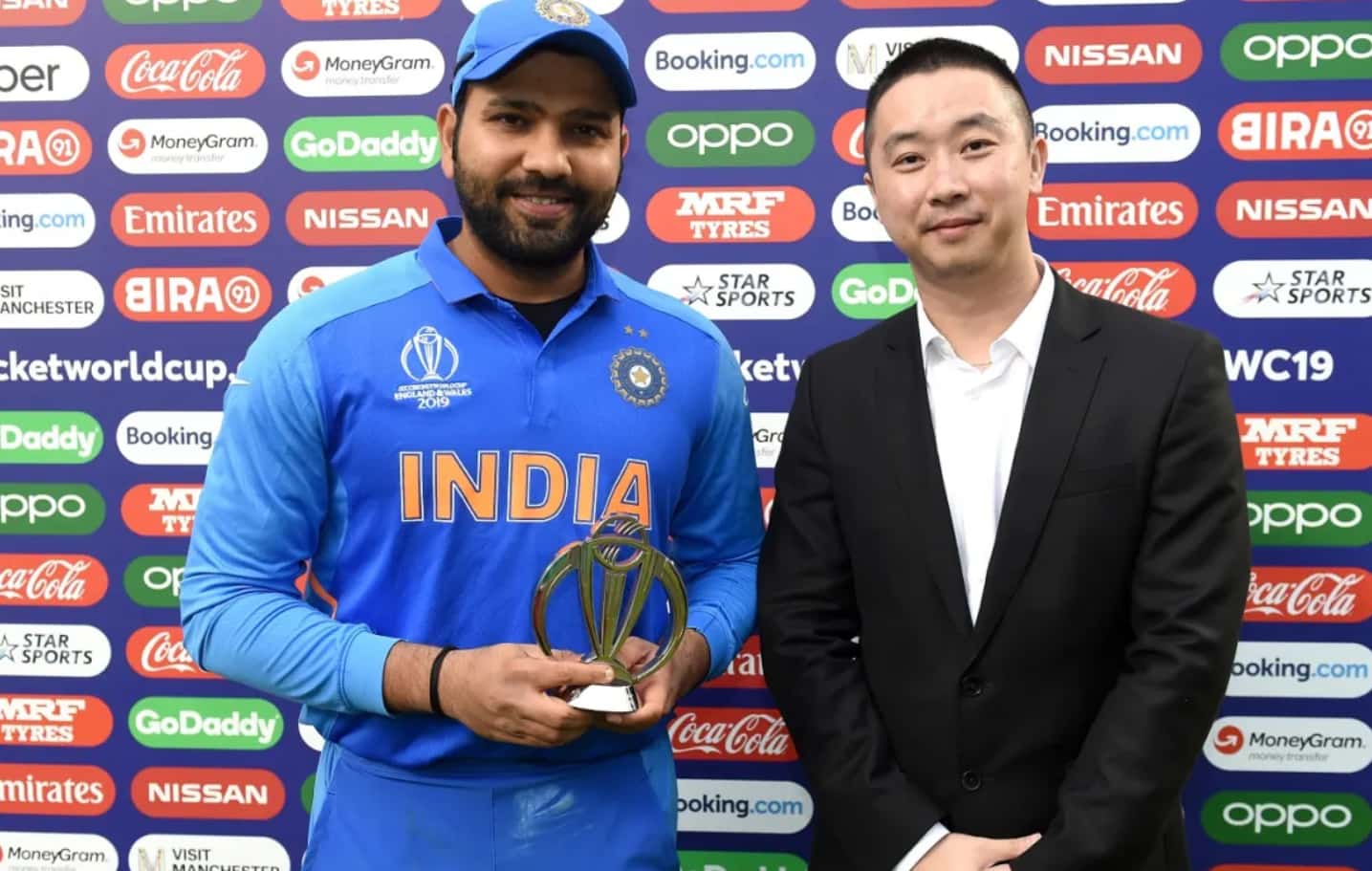
This article breaks down who decides Man of the Match in cricket, what they look for, and why the choice sometimes sparks heated debates among fans.
Who Decides Man of the Match in Cricket?
The selection process varies by tournament, series type, and organizers. No single universal system exists across all cricket. Instead, different groups handle the decision based on the match context.
Here’s who typically gets involved:
Match Officials
Umpires and match referees watch every ball from the best vantage points. They see which players made the biggest impact. Their input often carries weight in the final decision. They know what happened between deliveries that TV cameras might miss.
Expert Panels
Many series use panels of former players and cricket analysts. These experts watch the match and discuss performances afterward. They bring decades of playing experience to the conversation. Their collective judgment helps identify match-winning contributions.
Broadcasters
TV networks that hold broadcasting rights often control the award. They sponsor it, so they make the call. This is common in bilateral series and franchise leagues. The broadcaster usually consults with commentators before announcing the winner.
Fan Voting
T20 leagues sometimes include public voting through apps or social media. Fans vote during or after the match. The results might influence the final pick or determine it entirely. This approach boosts engagement but can favor popular players over actual performance.
Team Captains
Captains occasionally provide input, especially when two or three players performed equally well. Their perspective matters because they understand game situations that statistics don’t capture.
The weight given to each voice depends on the competition. ICC tournaments typically use expert panels. Bilateral series often defer to broadcasters. Domestic leagues mix expert judgment with fan participation.
How Is Man of the Match Decided in Cricket?
Once the decision makers are identified, they evaluate specific performance factors. The criteria focus on match impact rather than raw numbers alone.
Batting Performance
Runs matter, but context matters more. A 50 in a chase of 180 beats a 70 when the team made 320. Selectors look at:
- Runs scored under pressure
- Strike rate in crucial overs
- Partnerships built or rescued
- Match-winning innings
A century in a losing cause is impressive, but it rarely wins the award. The runs need to contribute to the result.
Bowling Performance
Wickets grab attention, but economy matters too. A spell of 2/25 in a T20 can outweigh 4/60 in an ODI if those two wickets broke a dangerous stand.
Factors include:
- Key wickets at crucial moments
- Economic bowling when runs were needed
- Breaking partnerships
- Death bowling under pressure
Five-wicket hauls almost guarantee the award unless a batsman played an absurd innings.
All-Round Contributions
Players who excel with bat and ball stand out. A 40 with the bat plus 3 wickets is hard to ignore. All-rounders who influence multiple phases of the game often edge out specialists.
Even modest contributions in both departments can win if they come at the right time.
Fielding Brilliance
Fielding alone rarely wins the award, but it can tip close decisions. A stunning catch to dismiss the set batsman. A run-out that changed momentum. Multiple saves at the boundary.
These moments stick in memory when numbers are similar elsewhere.
Impact on Match Result
The decisive factor is simple: did the player’s performance directly affect who won?
A tailender’s 25 runs that takes the team over the line beats a top-order 70 in a comfortable win.
A partnership-breaking spell matters more than late wickets with the result decided.
Selectors ask: “Remove this player’s contribution, and does the result change?”
Does Man of the Match Always Come from the Winning Team?
Usually, yes. Roughly 90% of awards go to players from the winning side.
But exceptions exist when individual brilliance in defeat is too good to ignore.
Virat Kohli has won while losing.
Ben Stokes received the award in a World Cup final his team lost.
Glenn McGrath got it after taking wickets in a narrow defeat.
For a losing player to win, the performance must be extraordinary. A match-winning spell that nearly worked.
A century that almost carried the team home. Something that made neutrals talk about one player despite the result.
These cases are rare because winning inherently demonstrates impact.
Why Man of the Match Decisions Cause Debate?
Selection subjectivity guarantees disagreement. Here’s why fans often argue over the choice:
Multiple Strong Performances
Close matches produce multiple candidates. When three players deserve recognition, picking one feels arbitrary.
The batsman who set up the target. The bowler who defended it. The fielder who saved 20 runs.
Different people value different contributions.
Statistics vs. Context
Numbers don’t tell the full story. A 40-run knock at an 80 strike rate in a chase beats a 70 at a 70 strike rate in the first innings. But the stats look worse on paper.
Selectors who understand context clash with fans who see only scorecard figures.
Winning Team Bias
When the award automatically goes to the winning side, deserving losers get overlooked.
A bowler who takes 5/30 but loses by 1 run did everything possible.
Yet the batsman who scored 40 in the winning chase gets the trophy.
This bias frustrates people who value individual excellence.
Broadcast Influence
When broadcasters control the award, commercial interests can play a role. Star players draw viewers.
Controversial picks generate social media buzz. Sometimes the selection feels designed to maximize engagement.
Fans notice these patterns.
How Selection Differs Across Formats?
Each format emphasizes different skills:
Test Cricket
Five-day matches reward sustained performance. A batsman who scores a century in each innings. A bowler who takes wickets across multiple days. Patience and consistency matter more than explosive moments.
Selectors have time to evaluate contributions over different phases.
ODI Cricket
50-over games balance multiple skills. Middle-order acceleration. New-ball breakthroughs. Death-over control. A 70-run knock that anchors the innings competes with a 3-wicket spell that broke the chase.
The winner usually influenced the result in the second innings.
T20 Cricket or IPL
Short format cricket rewards immediate impact. Explosive hitting in the powerplay. Dot balls under pressure. Two brilliant overs can swing the game more than a patient 50.
Strike rates and economy rates carry more weight than volume of runs or wickets.
The Role of Fan Voting in Modern Cricket
Social media changed how some awards work. IPL, BBL, and other leagues let fans vote for Man of the Match through apps during the final overs.
This approach has pros and cons:
Benefits:
- Increases fan engagement
- Makes viewers feel involved
- Generates social media activity
- Reflects popular opinion
Drawbacks:
- Popularity contests over performance
- Star players win regardless of impact
- Timing bias toward late contributions
- Vote manipulation possibilities
Most competitions balance fan input with expert judgment rather than relying on voting alone.
FAQs
- Who officially decides the Man of the Match award in cricket?
It varies by competition. ICC tournaments use expert panels of former players. Bilateral series often give control to the broadcasting network. Some T20 leagues include fan voting. Match officials like umpires and referees may also provide input.
- Can a player from the losing team win Man of the Match?
Yes, but it’s rare. About 10% of awards go to players from losing teams when their performance was exceptional. Examples include match-changing bowling spells that nearly won the game or centuries that almost carried the team home against the odds.
- What criteria matter most in Man of the Match selection?
Impact on match result ranks highest. Selectors ask whether removing that player’s contribution would change who won. Other factors include timing of key moments, context of runs or wickets, pressure handling, and all-round contributions.
- Do fan votes determine Man of the Match winners?
In some T20 leagues like the IPL, fan votes influence or determine the winner. Most competitions use fan input as one factor among several. Traditional formats like Tests and bilateral ODI series typically don’t include public voting.
- Why does Man of the Match selection cause debates?
The subjective nature guarantees disagreement. Close matches produce multiple deserving candidates. Statistics don’t capture context. Winning team bias overlooks brilliant losing performances. Different people value different contributions, so consensus is rare.
- Does the same person decide Man of the Match in all cricket matches?
No. Each tournament and series has its own system. International cricket controlled by the ICC uses expert panels. Domestic leagues have varied approaches. Bilateral series broadcast deals often determine who controls the award. The process is not standardized across the sport.
Conclusion:
Who decides Man of the Match in cricket? It depends on the competition, but usually involves match officials, expert panels, broadcasters, or some combination.
How is it decided? By evaluating batting, bowling, fielding, all-round contributions, and most importantly, impact on the match result.
The process remains subjective. Numbers inform the decision but don’t dictate it. Context matters more than statistics. Winning bias exists, but it isn’t absolute.
Disagreements are normal because cricket produces multiple heroes in every game. The award recognizes one, but fans will always debate who truly deserved it.
That debate is part of what makes cricket engaging.
About the Author
