Mumbai Indians paid ₹15.25 crore for Jofra Archer in the IPL 2025 auction.
Chennai Super Kings spent ₹4.4 crore on Rachin Ravindra. One pick changed a season. The other barely played.
IPL auction strategy determines championships before a single ball is bowled.
Smart franchises build balanced squads within tight budgets. Poor planning leaves teams with expensive gaps and no depth.
The difference between winning and losing often comes down to what happens in that auction room.
IPL Auction Strategy 2026
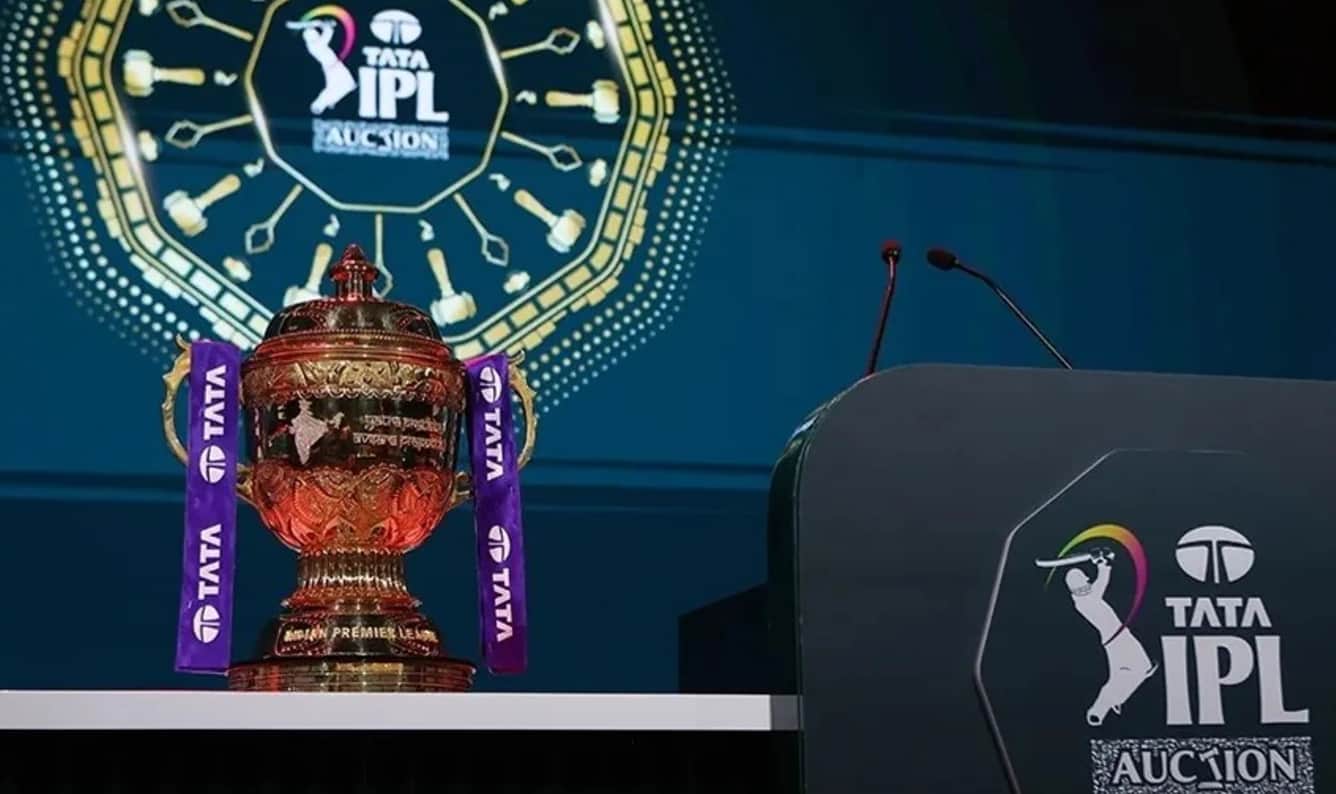
This guide explains how successful teams approach squad building.
How IPL Auctions Work: The Basic Framework
Each IPL franchise gets a fixed purse for the auction. In recent years, that’s been ₹100 crore (with adjustments for retained players).
- The retention system lets teams keep up to five players before the auction. Retained players get deducted from the purse at fixed slabs: ₹18 crore for the first retention, ₹14 crore for the second, and so on.
- Right to Match (RTM) cards allow teams to buy back players they didn’t retain. When another franchise bids on a player, the original team can match that bid to reclaim them. Teams get RTM cards based on how many players they retained.
- The auction format runs in two stages. First comes the marquee set, featuring high-profile players. Then the main auction covers everyone else. Unsold players can return in the accelerated auction round.
- Playing XI rules cap overseas players at four per match. This forces teams to build strong Indian cores.
Purse management starts months before auction day. Teams calculate how much they need for each position and which players fit their budget.
The Building Blocks: Core vs Luxury Players
Successful franchises divide their spending into tiers.
- Core players are non-negotiable. These include your captain, primary strike bowler, death bowler, and anchor batsman. The Mumbai Indians are built around Rohit Sharma, Jasprit Bumrah, and Suryakumar Yadav. Core players take 40-50% of the total purse.
- Impact players change matches, but aren’t essential to every game. Think Andre Russell hitting six sixes or Rashid Khan bowling a maiden in the 19th over. Franchises spend 20-30% here.
- Value picks fill gaps at reasonable prices. Young Indian players, domestic performers, and overseas cricketers from smaller markets often provide surprising returns. Rinku Singh cost KKR ₹55 lakh in 2018. He became one of their best finishers.
- Backup options cost minimal amounts but provide squad depth. Injuries happen. Form drops. Teams need 18-20 reliable players, not just 11 stars.
Chennai Super Kings mastered this balance. They kept spending low on most players and invested heavily in proven performers like MS Dhoni and Ravindra Jadeja.
Budget Management and Salary Cap Strategy
The ₹100 crore purse looks large until you start bidding.
Front-loading vs back-loading represents a key choice. Some teams spend big early to secure their top three targets. Others wait, letting bidding wars exhaust rival purses before swooping in later.
Rajasthan Royals often waited. They picked up Jos Buttler for ₹4.4 crore in 2018 after other teams had spent heavily. He became one of the tournament’s best batsmen.
The 70-30 split is a common framework. Spend 70% of your purse on your best 11 players. Save 30% for depth and flexibility. This prevents teams from going broke with five roster spots still empty.
Dead money happens when you overpay. A player who costs ₹10 crore but contributes like someone worth ₹3 crore creates a budget hole. Every franchise has these mistakes. Good teams minimize them.
Mid-auction adjustments matter. If you miss your primary target, you need backup plans. Teams carry ranked lists for every position. If Fast Bowler Option A goes too high, move to Option B immediately.
The most disciplined franchises stick to their valuations. They let players go rather than overpay in bidding wars.
Player Valuation: What Makes Someone Worth Crores?
IPL player valuation combines performance data, role scarcity, and market demand.
- Recent form drives prices. A strong IPL season or international tournament can double a player’s value. Market analysts, including IPL betting bookmakers by Asiacup, track player valuations throughout the season based on match-by-match performance metrics and emerging trends.
- Role scarcity matters more than talent alone. Quality death bowlers are rare. Genuine all-rounders who bat in the top six and bowl four overs cost premium amounts. Teams pay more for skills in short supply.
- Age and longevity factor in. A 24-year-old with five IPL seasons ahead costs more than a 34-year-old with similar stats. Franchises want a return on investment across multiple years.
- Overseas vs Indian calculations differ. Overseas players occupy limited slots, so they must offer unique value. An overseas middle-order batsman needs to significantly outperform Indian options to justify selection.
- Auction timing creates value swings. Players sold early often cost more. By the auction’s end, prices drop as purses run low.
Chennai Super Kings consistently found value picks. Ambati Rayudu, Faf du Plessis, and Dwayne Bravo all provided more impact than their price tags suggested.
The key is knowing your maximum before bidding starts.
Role-Based Squad Building Approach
Championship teams fill specific positions, not just buy names.
- Opening batsmen need different skills. One anchor who bats 15 overs. One aggressor who scores at a 160+ strike rate in the powerplay. Mumbai Indians paired Rohit Sharma’s stability with Ishan Kishan’s power.
- Middle-order flexibility helps teams adapt. At least one player should bat anywhere from 3 to 6. This lets captains adjust based on match situations.
- Bowling combinations require variety. Two pacers for the new ball. One death specialist. Two spinners for the middle overs. One swing bowler for specific conditions.
- All-rounder value cannot be overstated. A genuine all-rounder gives you 12 players in 11 spots. Hardik Pandya, Ravindra Jadeja, and Andre Russell justified their huge price tags by contributing in multiple phases.
- Finisher roles get underrated. Teams need batsmen comfortable hitting from ball one in the 17th over. This skill set is rare and expensive.
Kolkata Knight Riders won IPL 2024 by covering every role. Their squad had options for every match situation.
Data-Driven Decision Making in Modern Auctions
IPL franchises now employ full analytics teams.
Performance databases track every ball bowled in T20 cricket worldwide. Teams know a bowler’s economy rate in different phases, against left-handers vs right-handers, and on various pitch types.
Platforms like cricket satta apps aggregate historical auction data to identify trends in player pricing and performance correlations across seasons, helping teams spot undervalued talent.
Matchup analysis reveals hidden value. Some batsmen destroy pace but struggle against spin. Some bowlers dominate powerplays, but leak runs at the death. Smart teams exploit these patterns.
Predicted vs actual value models help. If data says a player is worth ₹6 crore but auction buzz suggests ₹4 crore, that’s value. The Mumbai Indians found several such players.
Domestic cricket scouting expanded. Teams watch SMAT, Vijay Hazare Trophy, and even local T20 leagues. Rinku Singh, Tilak Varma, and Yashasvi Jaiswal all emerged from this scouting.
International tracking covers every major T20 league. The Caribbean Premier League, Big Bash, and Pakistan Super League reveal players who might suit IPL conditions.
Data doesn’t replace scouting, but it guides decisions. The best franchises combine both.
Learning from Successful Franchises
- Mumbai Indians built a dynasty through consistency. They identified core players early, paid them well, and filled gaps around them. Their scouting network found Bumrah, Hardik, and Suryakumar before other teams noticed.
- Chennai Super Kings mastered continuity. They kept their core group for years, rarely changing more than 3-4 players between seasons. This created team chemistry and tactical familiarity.
- Kolkata Knight Riders have balanced youth and experience. They bought young Indian talent cheap and paired them with smart overseas picks. Their 2024 title team cost less than several non-playoff squads.
- Rajasthan Royals exploited market inefficiencies. They found overseas players from smaller cricket nations at discount prices. Jos Buttler, Trent Boult, and Shimron Hetmyer all cost less than expected.
The common thread? Each team had a clear identity and stuck to it. They didn’t chase every star player. They built squads that fit their strategy.
Common Auction Mistakes Teams Make
- Panic buying kills budgets. When your primary target gets bought by a rival, teams often overpay for an inferior replacement. Stay disciplined. Move to your next option.
- Star chasing creates imbalanced squads. Three ₹15 crore players and 15 cheap backups don’t win tournaments. Balance matters more than star power.
- Ignoring bench strength backfires when injuries hit. Every team faces 4-5 unavailable players during a season. Weak depth means weak replacements.
- Overspending on overseas players limits flexibility. If four overseas players take ₹50 crore, you’re left building the rest of your squad with ₹50 crore for 18 spots.
- Neglecting role specificity causes selection headaches. Six middle-order batsmen who can’t open or finish create problems. You need players for specific situations.
- Emotional bidding happens when rival franchises drive up prices. Punjab Kings and Royal Challengers Bangalore have both fallen into bidding wars that cost them budget flexibility.
The best teams walk away from expensive mistakes before they happen.
FAQs
- What is the salary cap in IPL auctions?
Each franchise gets a purse of ₹100 crore (after retention deductions). Teams must build their entire squad within this budget. No franchise can exceed the cap.
- How does the RTM card work in IPL?
Right to Match cards let teams reclaim players they didn’t retain. When another franchise bids on that player, the original team can match the highest bid to buy them back.
- Why do some players go unsold in IPL auctions?
Players go unsold when their base price exceeds their perceived value. Teams may also have filled that role already or prefer other options at that price point.
- What is a marquee player set in IPL?
The marquee set features the most sought-after players in the auction. It’s auctioned first, before the main player pool. These typically include big international stars and top Indian performers.
- How much can a team spend on one player?
There’s no individual player limit, but practical constraints apply. Spending ₹20+ crore on one player leaves less for the remaining 20+ squad spots. Most teams cap individual spending at ₹15-18 crore.
- Do IPL teams use data analytics for auctions?
Yes, every franchise now employs analytics teams. They track performance across all T20 leagues, analyze matchups, model player value, and identify undervalued talent through statistical analysis.
Conclusion:
IPL auction strategy separates championship teams from pretenders.
Smart budget management, role-based building, and data-driven decisions create winning squads. The auction room is where seasons are won or lost.
Successful franchises know their maximum price for every player. They stay disciplined, trust their data, and build balanced teams instead of collecting stars.
Stay updated with IPLJournal.com for more insights into IPL strategy and team analysis.
About the Author
