You’re watching an IPL match. The commentator mentions “popping crease” and “bowling crease” as if everyone should know what they mean.
But if you’re new to cricket, those white lines on the pitch can look confusing. What do they actually do? Why are there so many of them?
If you’ve ever wondered about this, you’re not alone. Most cricket fans learn the basics but skip over pitch markings.
That’s a mistake because these lines control everything from run-outs to no-balls. Understanding them makes watching cricket much easier.
This guide breaks down exactly how many creases are in cricket, what each one does, and why they matter in every format.
How Many Creases Are There in Cricket?
What Is a Crease in Cricket?
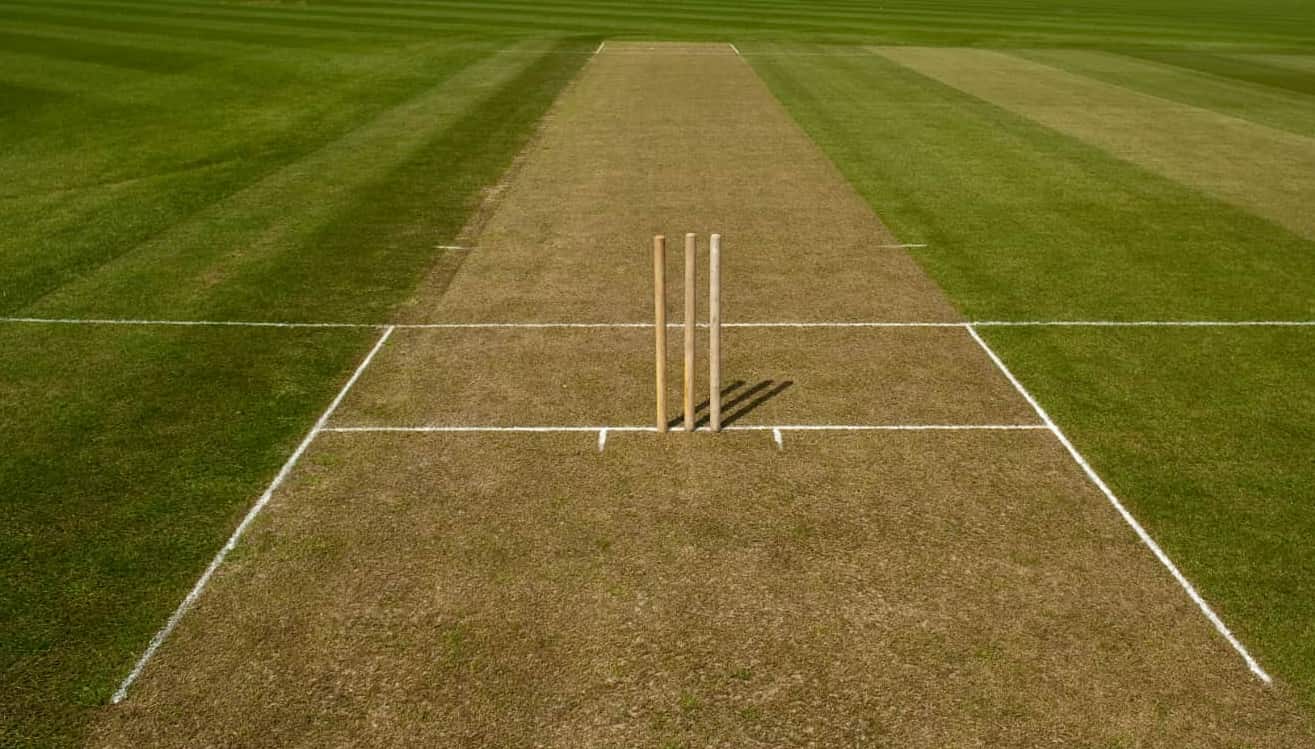
A crease is a white line painted on the pitch. It marks boundaries for players during the game.
For batters, the crease shows where they need to be to stay safe. Cross it without grounding your bat, and you’re out.
For bowlers, it marks where they can legally deliver the ball. Step over it, and the umpire calls a no-ball.
These lines aren’t just for show. They create structure. Without them, umpires couldn’t judge run-outs or stumpings.
Bowlers could stand anywhere. The game would fall apart.
Think of creases like the boundary lines in football or basketball.
They define the playing area and keep the game fair.
How Many Creases Are on a Cricket Pitch?
There are eight creases on a standard cricket pitch.
That might sound like a lot at first. But it’s actually simple once you break it down.
There are only three types of lines. Each type appears at both ends of the pitch.
Here’s how it adds up:
- 2 Popping Creases (one at each end)
- 2 Bowling Creases (one at each end)
- 4 Return Creases (two at each end)
So the total is 8 creases.
Each one has a specific job. Some protect batters. Some control bowlers.
Together, they make sure the game runs smoothly.
Whether you’re watching a Test match in India or a T20 in the IPL, the crease rules stay the same.
The lines are always in the same spots. The measurements don’t change.
The Three Types of Creases in Cricket
Now let’s look at each type. Every crease serves a purpose. Some are more visible than others during a match. But all three matter.
1. Popping Crease
This is the most important line for batters.
The popping crease sits 4 feet (1.22 meters) in front of the stumps. It runs parallel to the bowling crease. Batters must get their bat or body behind this line to be safe from run-outs or stumpings.
If a batter steps out to play a shot and the wicketkeeper breaks the stumps, the third umpire checks the popping crease. Even a split second late can mean the difference between staying in or walking back.
Bowlers also have to respect this line. If their front foot lands over it during delivery, it’s a no-ball. That gives the batting side an extra run. In T20s and ODIs, it can also mean a free hit.
Watch any close run-out in the IPL. The replays zoom in on the popping crease. A millimeter decides the call.
2. Bowling Crease
The bowling crease is the line where the stumps are placed.
It’s 8 feet 8 inches (2.64 meters) long and runs across the pitch. This is the base of the playing area for bowlers. When a bowler delivers the ball, their front foot must land behind or on this line.
If the foot crosses it, the delivery is illegal. The umpire signals a no-ball. That’s one extra run for the batting side. In limited-overs cricket, it can shift momentum fast.
Bowlers train to land their foot right on the edge without overstepping. It’s a skill that takes practice. Even international bowlers sometimes get it wrong under pressure.
3. Return Crease
This one doesn’t get much attention. But it’s just as important.
The return crease runs vertically on both sides of the stumps. There are two at each end (four total).
These lines control where a bowler’s back foot can land during delivery.
If the back foot touches or crosses the return crease, it’s a no-ball.
This rule stops bowlers from delivering the ball from too wide an angle. Without it, they could bowl from unfair positions.
Umpires watch this closely. It’s easy to miss, but it matters in tight matches.
Cricket Crease Measurements: Key Dimensions
Here’s a quick breakdown of the exact measurements for each crease type:
| Crease Type | Length/Position | Purpose |
|---|---|---|
| Popping Crease | 4 feet in front of stumps | Mark’s batter’s safe zone |
| Bowling Crease | 8 feet 8 inches long | Defines the bowler’s delivery line |
| Return Crease | Perpendicular to the bowling crease | Controls back foot placement |
These dimensions are standard across all formats. Whether it’s a Test match or a T20, the crease length in feet stays the same.
What Does “At the Crease” Mean in Cricket?
You’ll often hear commentators say a batter is “at the crease.” This phrase has two meanings.
First, it means the batter is currently batting. They’re standing near the popping crease, ready to face the bowler.
Second, it refers to the mental and physical presence of the batter. A batter who is “settled at the crease” has found their rhythm.
They’re comfortable. They’re scoring runs without taking unnecessary risks.
In a Test match, being at the crease for hours shows concentration. In T20s, it means controlling the strike rate while staying aggressive.
The phrase captures more than just position. It describes the batter’s state in the game.
How Creases Impact Match Situations?
Creases don’t just sit there looking nice. They decide outcomes.
For Batters:
- Staying behind the popping crease keeps you safe during run-outs.
- When running between wickets, every inch matters.
- During stumpings, the line decides if you’re out or not.
For Bowlers:
- Your front foot must stay behind the popping crease.
- Your back foot must land inside the return crease.
- Violate either rule, and it’s a no-ball.
For Umpires:
- Creases give clear reference points for decisions.
- They help judge run-outs, stumpings, and legal deliveries.
- In close calls, replays zoom in on these lines.
In professional cricket, one foot outside the line can change everything. Games have been won or lost because of crease awareness.
Expert Insight: Why Crease Discipline Wins Matches?
Former Indian cricketer VVS Laxman once said that awareness around the crease separates good players from great ones.
He wasn’t just talking about technique. He meant mental discipline.
Batters who drag their bat inside the crease during tight singles rarely get run out.
Bowlers who control their front foot don’t give away free runs. These small habits add up over a series or tournament.
In high-pressure moments, players often lose focus. That’s when mistakes happen.
A bowler oversteps on a wicket-taking delivery. A batter assumes they’re safe without grounding their bat. One lapse costs the match.
The best players stay sharp. They respect the crease. They know it’s not just a line. It’s a rule that can’t be ignored.
Do Crease Rules Change Across Formats?
No. The crease rules are identical in Tests, ODIs, and T20s.
Some fans think T20 cricket has different pitch markings. It doesn’t.
The popping crease is still 4 feet in front. The bowling crease is still 8 feet 8 inches.
The return creases are still in the same positions.
What changes is how players use them.
In Tests, batters stay closer to the crease. They play defensively. In T20s, they charge down the pitch to hit sixes. But the lines themselves? The same.
Whether you’re watching IPL 2026 or a Ranji Trophy match, the crease setup doesn’t change.
Common Mistakes Players Make Around the Crease
Even experienced cricketers make errors. Here are the most common ones:
- 1. Not grounding the bat properly during run-outs
Batters sometimes slide their bat across the line without pressing it down. If the bat is in the air when the stumps are broken, they’re out.
- 2. Overstepping while bowling
Bowlers push too hard for extra pace. Their front foot crosses the line. The wicket doesn’t count, and the batting side gets a free hit.
- 3. Losing balance while running
Batters stumble near the crease. They assume they’re safe. But if their bat lifts off the ground, they’re vulnerable.
- 4. Back foot placement for bowlers
Some bowlers focus only on the front foot. They forget about the return crease. The back foot lands outside, and it’s a no-ball.
These mistakes cost runs. In close matches, they can decide the result.
FAQs
- How many creases are there in cricket?
There are eight creases. That includes two popping creases, two bowling creases, and four return creases.
- What happens if a bowler crosses the popping crease?
It’s called a no-ball. The batting side gets one extra run. In limited-overs cricket, the next ball is often a free hit.
Is the popping crease the same in all formats?
Yes. The measurements and rules stay the same in Tests, ODIs, and T20s.
- Can a batter be out if their bat is on the line?
Yes. The bat must be grounded behind the line. Being on the line counts as being out.
- Do groundsmen repaint the creases before every match?
Yes. Fresh creases are marked before each game to make sure they’re clear for umpires and players.
Final Thoughts
Understanding how many creases are there in cricket makes watching the game much easier.
These eight lines control movement, fairness, and decision-making on the field.
Next time you watch a match, pay attention to the creases. Notice how batters slide their bats in during run-outs.
Watch how bowlers land their feet during delivery. You’ll start seeing the game differently.
Cricket isn’t just about big sixes and fast bowling. It’s also about small details.
And the creases? They’re one of the most important details of all.
Also Check:
- Smallest Cricket Stadium In India By Boundary and Seating Capacity
- Smallest Cricket Ground in the World By Boundary
About the Author
