Professional cricket tournaments demand specific equipment standards.
The ipl cricket ball price 2026 reflects manufacturing quality and international certification requirements.
IPL matches use white leather balls designed for T20 format conditions.
These differ significantly from red balls used in Test cricket.
Year-specific pricing matters because manufacturing costs, import duties, and currency fluctuations affect retail availability.
Tournament-grade balls cost more than practice equipment.
IPL Cricket Ball Price 2026
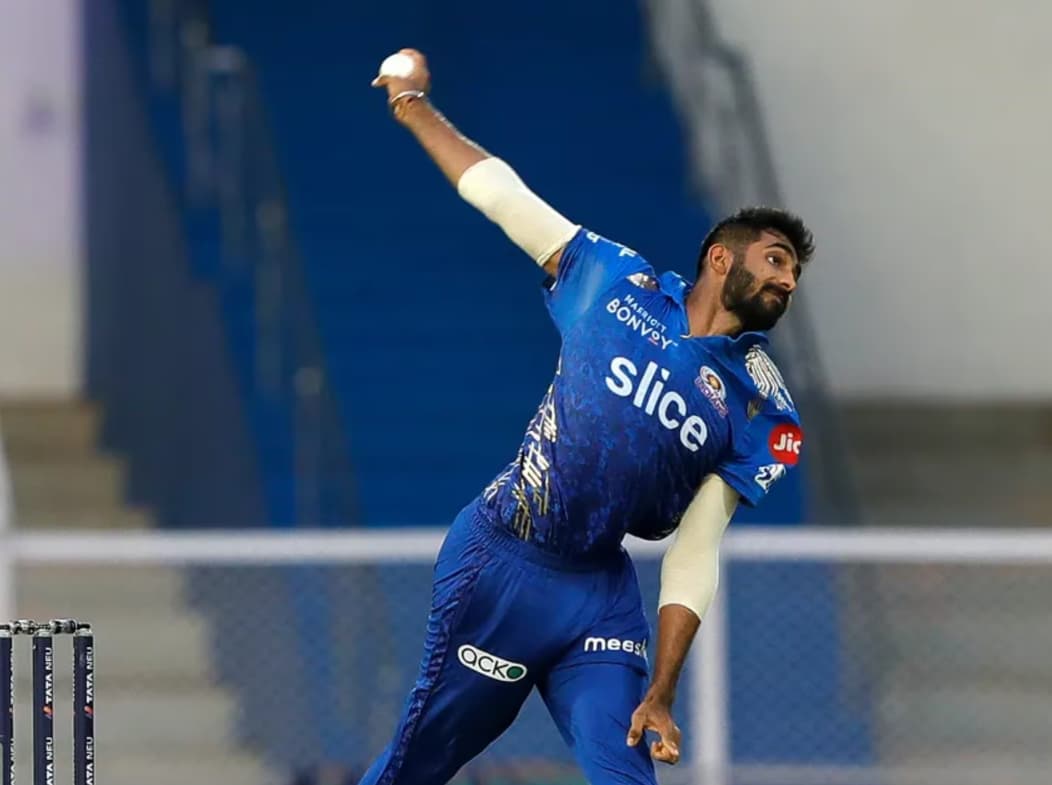
Understanding actual prices helps teams, academies, and serious players make informed purchasing decisions.
IPL Kookaburra Turf White Ball Price in 2026 TATA IPL
The TATA IPL 2026 continues using Kookaburra Turf White balls manufactured in Australia.
These meet ICC’s white-ball cricket specifications for professional T20 tournaments.
Retail prices differ from tournament procurement costs. Individual buyers pay higher rates compared to bulk orders placed by cricket boards.
| Specification | Details |
|---|---|
| Ball Name | Kookaburra Turf White |
| Brand | Kookaburra |
| Match Type | T20 / IPL |
| Color | White |
| Leather Type | Premium Australian Leather |
| Weight Range (grams) | 156 – 162 |
| Construction | Four-piece, Five-layer quilted center |
| Estimated Price Range (INR) | ₹10,000 – ₹15,000 |
| Availability | Tournament Use (₹10,000–₹12,000) / Retail (₹12,000–₹15,000) |
Tournament-grade balls supplied directly to IPL franchises cost less than retail versions sold through sports equipment dealers.
Amazon and specialized cricket stores typically list ipl cricket ball price 2026 amazon at premium rates.
Characteristics of IPL Ball
- Australian Manufacturing – Produced in Melbourne facilities using tanned cowhide leather with quality control standards for international cricket
- Fine-line Stitching – Six-row stitching pattern maintains structural integrity for 20 overs under aggressive batting conditions
- Seam Construction – Raised seam height (0.8–1.0mm) provides grip for pace and spin bowlers throughout innings
- Waterproof Coating – Specialized treatment resists moisture absorption during dew-affected matches in Indian stadiums
- Air-dried Core – Natural cork-rubber composite center ensures consistent bounce on both pace-friendly and spin-assisting surfaces
- Floodlight Visibility – White polyurethane coating maintains color brightness under LED stadium lighting systems
- T20 Weight Balance – 156–162 gram specification allows batsmen to generate boundary-clearing power while giving bowlers control
- ICC Approval – Certified for international white-ball cricket across ODI and T20I formats globally
Factors Influencing The Price Of IPL Cricket Ball
- 1. Material Quality
Premium Australian cowhide costs more than synthetic or lower-grade leather. Tanning processes and quality checks add to manufacturing expenses.
- 2. Manufacturing Process
Four-piece construction with hand-finished seams requires skilled labor. Machine-stitched balls cost 40–50% less than professionally finished tournament balls.
- 3. Brand Credibility
Kookaburra supplies 100% of ODI and T20I matches globally. An established reputation allows premium pricing over newer brands.
- 4. Match-Level Usage
Tournament-specification balls undergo additional testing phases. Practice-grade versions skip certain quality checks, reducing costs significantly.
- 5. Durability Across Overs
IPL balls maintain seam and shape for a full 20-over innings. Lower-priced balls deteriorate faster, requiring replacement mid-match.
- 6. International Certification Standards
ICC approval processes include bounce tests, weight verification, and seam height measurements. Certification adds compliance costs to final pricing.
Other International Level Cricket Balls
Different formats require specific ball characteristics. Red balls suit Test cricket’s longer duration, while white balls work for limited-overs matches.
| Ball Name | Color | Leather Type | Weight (g) | Primary Format | Approx Price (INR) |
|---|---|---|---|---|---|
| Kookaburra Turf Red | Red | Premium Leather | 156–162 | Test Matches | ₹10,000–₹12,000 |
| SG Test | Red | Premium Leather | 156–162 | Test (India) | ₹5,000–₹6,000 |
| Dukes | Red | Hand-stitched Leather | 156–162 | Test (England, West Indies) | ₹8,000–₹10,000 |
| Kookaburra Turf Pink | Pink | Premium Leather | 156–162 | Day-Night Tests | ₹11,000–₹13,000 |
| SG Club | Red/White | Standard Leather | 156–162 | Domestic Cricket | ₹3,500–₹4,500 |
Kookaburra Turf Red
- Used in Test matches across Australia, South Africa, New Zealand, Pakistan, and Bangladesh
- Maintains hardness for 80+ overs, enabling reverse swing inthe latter stages
- Lacquer coating prevents moisture absorption during multi-day matches
- Cricket ball price original for Kookaburra red, remains competitive with white ball variants
SG Test
- Manufactured by Sanspareils Greenlands for BCCI-organized Test matches in India
- Higher seam prominence compared to Kookaburra assists Indian spin bowling conditions
- Cost-effective option reduces expenses for domestic cricket boards and academies
- Performs optimally in subcontinent heat and humidity levels
Dukes
- Hand-stitched in England using British leather with a 14-day manufacturing process
- Pronounced seam height (1.2mm) generates swing movement in overcast English conditions
- World Cup Cricket Ball price original for Dukes matches, IPL-grade Kookaburra pricing
- Used in ICC World Test Championship matches hosted in England andthe West Indies
Conclusion:
The IPL Cricket Ball Price 2026 ranges between ₹10,000 and ₹15,000 for authentic Kookaburra Turf White balls.
Retail buyers pay more than tournament procurement rates.
IPL balls cost more because of:
- Premium Australian leather and manufacturing standards
- ICC certification requirements for T20I matches
- Four-piece construction with air-dried cork centers
- Consistent performance acrossthe full 20-over innings
ODI Cricket Ball price and International Cricket Ball price match IPL specifications since Kookaburra supplies all formats.
Ipl cricket ball price 2026 in rupees varies based on retailer markup and import duties.
Tournament-used balls differ from retail versions in packaging and bulk pricing structures.
Practice-grade alternatives cost ₹3,000–₹5,000 but lack professional-match durability standards.
About the Author
