MI vs CSK, 2019. Rohit Sharma called a timeout at the start of the 14th over. MS Dhoni’s side needed 47 off 42 balls.
It looked manageable. After the break, three quick changes to the field and a sharper bowling plan left CSK 9 short at the final ball.
That 2.5-minute pause shifted the match. Not luck, not a dropped catch. A well-used strategic timeout.
IPL Strategic Timeout
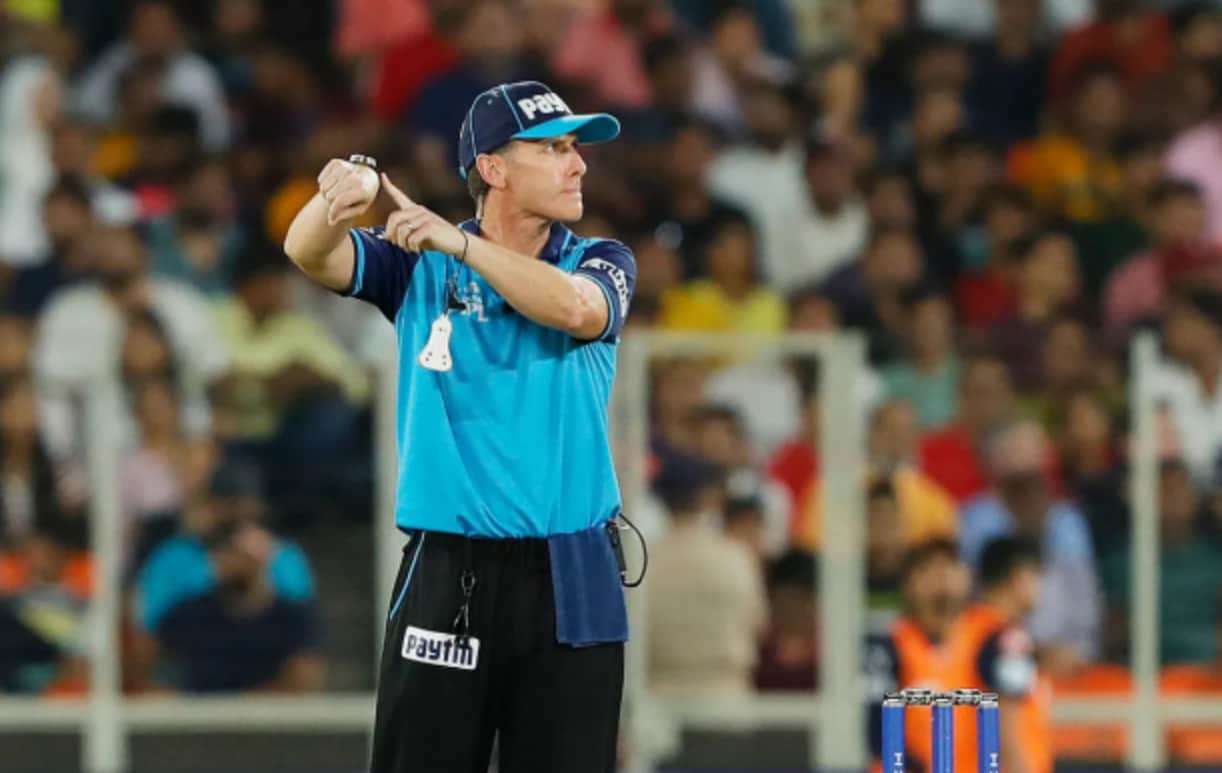
The ipl strategic timeout is one of the most misunderstood tools in T20 cricket.
Fans see a commercial break. Captains see a chance to reset, replan, and take back control.
What is the Strategic Timeout in IPL?
The strategic timeout is an official break in play during each inning. Both teams get one timeout per inning. Each lasts two minutes and 30 seconds.
The rules are specific about when each side can call theirs.
The bowling team must take their timeout between overs 6 and 9.
The batting team takes theirs between overs 13 and 16. Neither team can skip the timeout altogether. It is mandatory, not optional.
The fielding captain triggers the bowling team’s timeout. For the batting side, it is usually the captain or the team management who instructs.
One key point: teams cannot hold the timeout and use it in the death overs. BCCI playing conditions fix the windows. Miss the window, and you lose the option entirely.
Why IPL Introduced Strategic Timeouts?
The timeout was not invented for captains. It was introduced for broadcasters.
When the IPL launched in 2008, the BCCI needed a way to allocate ad slots to TV partners in a format that moves fast.
The strategic timeout gave broadcasters a guaranteed break without stopping play at random.
But teams quickly noticed something useful. A forced break gave coaches a rare chance to reach players mid-game.
In Test cricket, the dressing room waits for drinks breaks or the fall of a wicket. In T20, a match can slip away in three overs. The timeout became a lifeline.
By IPL Season 3 and 4, captains were clearly planning their timeouts, not just using them when the broadcaster signaled.
Team huddles got more specific. Field changes after timeouts became more frequent. What started as a commercial tool became a genuine tactical one.
When Captains Call the Timeout: The Situations That Matter
Smart captains don’t take the timeout just because the window opens. They wait for the right moment within that window.
- Breaking a dangerous partnership. If two set batters are scoring freely, the timeout lets a captain consult the bowling coach, tweak the field, and try a new matchup. The brief stoppage can also interrupt the rhythm of batters who are in flow.
- After back-to-back boundaries. Three boundaries in two overs can signal a momentum shift. The timeout stops that run of play and forces a reset on both sides.
- Before a key bowler’s final spell. If a specialist bowler has one or two overs left and the chase is tight, the timeout gives the captain a chance to plan exactly how those overs should be bowled and where the field should sit.
- After early wickets fall. For the batting side, losing two wickets in the powerplay can trigger panic. The timeout between overs 13 and 16 is often used to settle a new batter coming in, recalibrate the target chase, and reassign roles between the remaining batters.
How Teams Use Those 2.5 Minutes?
The timeout is not a huddle for motivation speeches. The best-used timeouts are specific and short.
A captain will gather bowlers, assess which batter is set and which is vulnerable, and decide whether to attack with pace or slow it down. Field adjustments are made before the next over begins.
For bowling teams, a common tactic is to shift from aggressive fields to tighter ones.
After the timeout, you’ll often see an extra fielder placed on the boundary even before the ball is bowled. The change is planned, not reactive.
Batting teams use the break differently. If the required rate has climbed above 11, the team needs to agree on which batter takes the aggressive role and which one rotates.
Without clarity, both batters try to do the same thing, and one ends up making a poor shot.
Analysts on a cricket platform for IPL Betting track how scoring rates shift in the two overs immediately after timeouts.
The data consistently shows that bowling teams who use the timeout at the right moment (when a partnership is building, not after it is already broken) restrict runs more effectively in the following overs.
That two-over window after the timeout is where the value shows up.
The Psychological Impact on Players
Sports science has long documented how brief breaks disrupt momentum. The IPL timeout does exactly that.
A batter who has found their rhythm over three or four overs now has 150 seconds to stand around.
That kind of pause can cool a hot hand. Some batters re-emerge from the break and play more cautiously.
Others come back more aggressive. Captains try to read which type they’re dealing with.
For fielders, the timeout is a chance to refocus. A long fielding innings in Indian heat is physically and mentally draining.
The break lets players drink, breathe, and listen to a specific instruction before heading back to their positions.
Bowlers benefit from the mid-innings break differently.
A spinner who has been hit for two sixes can use the timeout to talk through a new line and length with the coach.
Coming back with a cleaner plan is better than just coming back angry.
Statistical Patterns: Does the Timeout Actually Work?
The short answer is yes, but only when it is well-timed.
Match-by-match records across IPL seasons show a consistent pattern.
Bowling teams that call the timeout when a partnership is between 30 and 50 runs tend to take a wicket within the next two overs at a higher rate than those who let the partnership grow past 60 before intervening.
Batting teams that use their timeout when the required rate has just crossed 10 per over, rather than waiting until it hits 14, chase down totals more often.
The early reset seems to give the batting pair time to recalibrate without pressure becoming unmanageable.
Statistical databases like the Reddy book platform document timeout usage by the captain across IPL seasons. Some captains use their timeouts with strong situational awareness.
Others, including some highly rated captains, tend to call timeouts reactively, after momentum has already shifted, reducing the tool’s effectiveness.
One clear finding: teams that fail to use the timeout within the specified window do not benefit from it at all.
Losing the option by missing the window is one of the most costly mistakes a fielding captain can make.
Famous IPL Timeout Moments That Changed Matches
- KKR vs SRH, IPL 2016. SRH were cruising at 114/2 after 13 overs, chasing 172. KKR’s captain used the batting timeout window as a fielding side observation, reconfiguring the slip and mid-off area and bringing in a surprise death-overs bowler. SRH lost three wickets in the next four overs and finished 11 short.
- RCB vs KXIP, IPL 2014. KXIP were 87/1 after 9 overs in a 175 chase. The timeout came at the end of the 9th over. The fielding captain made no visible field changes, the same bowling plan continued, and KXIP reached the target with two overs to spare. A wasted timeout from RCB.
- CSK vs MI, IPL 2019. One of the more analyzed timeout decisions in recent IPL history. Rohit used a batting timeout strategically after a middle-order collapse. MI players used the time to rework the lower-order batting plan. They added 41 off the last four overs to set a competitive total.
These examples show the same thing: a timeout used with a clear purpose changes outcomes. A timeout called without a plan adds nothing.
Common Mistakes Teams Make with Timeouts
- Calling it too early in the window. Taking the timeout at over 6 when nothing unusual has happened wastes it. The window is there so you can find the right moment, not just any moment.
- Calling it after the damage is done. Some captains react to a six by immediately calling the timeout. But if the batter has just hit a boundary and is in full flow, the break may not be enough to settle them. The better call often comes just before the aggressive phase begins, not midway through it.
- No specific plan in the huddle. Players say this is the most common failure. Captains gather the team but give vague instructions. “Bowl tight, bowl in the channel” gives bowlers nothing new. The best captains name the specific batter, name the specific over, and assign a clear role to each fielder.
- Forgetting the window has closed. In the heat of a chase or a tight bowling spell, captains have lost track of the over count and missed the window. Once over 9 or over 16 passes, the option is gone.
Frequently Asked Questions
- How long is the IPL strategic timeout?
Each strategic timeout lasts two minutes and 30 seconds. Both teams get one per inning.
- Can captains refuse to take the timeout?
No. The timeout is mandatory under BCCI playing conditions. Both teams must take their timeout within the specified over windows during each innings.
- When can the strategic timeout be called in IPL?
The bowling team can call theirs between overs 6 and 9. The batting team can call theirs between overs 13 and 16. Both teams lose their option if they miss the window.
- How many timeouts are allowed per innings in IPL?
Each team is allowed one strategic timeout per inning. There are two per innings in total, one for each side.
- Do both teams get a strategic timeout?
Yes. Both the batting team and the bowling team each get one timeout per inning. They are taken in separate shots over windows so they don’t overlap.
- Can the strategic timeout be called during death overs?
No. The death overs (17 to 20) fall outside both timeout windows. The batting team’s last chance is before over 16 ends.
Conclusion:
The strategic timeout is not a commercial break with a team huddle attached.
It is a carefully placed tool that can shift the momentum when used with purpose.
The 2.5 minutes are enough to change a bowling plan, settle a batting pair, or break a partnership.
Used at the wrong time, or not at all, it is simply a break in play.
Follow IPLJournal.com for more IPL tactical insights and match analysis.
About the Author
