English cricket has produced some serious wealth over the past two decades.
Stuart Broad retired as not just a legendary bowler but also the richest England cricketer with a fortune built far beyond match fees alone.
The modern game pays well. ECB central contracts provide stability. IPL franchises throw massive sums at overseas stars.
Then come the endorsement deals, media gigs, and business investments that separate the comfortable from the seriously wealthy.
Players like Ben Stokes combine on-field heroics with savvy brand partnerships. Jos Buttler leverages his T20 stardom into multiple income streams.
James Anderson proved longevity pays better than flash-in-the-pan success.
Richest England Cricketers 2026
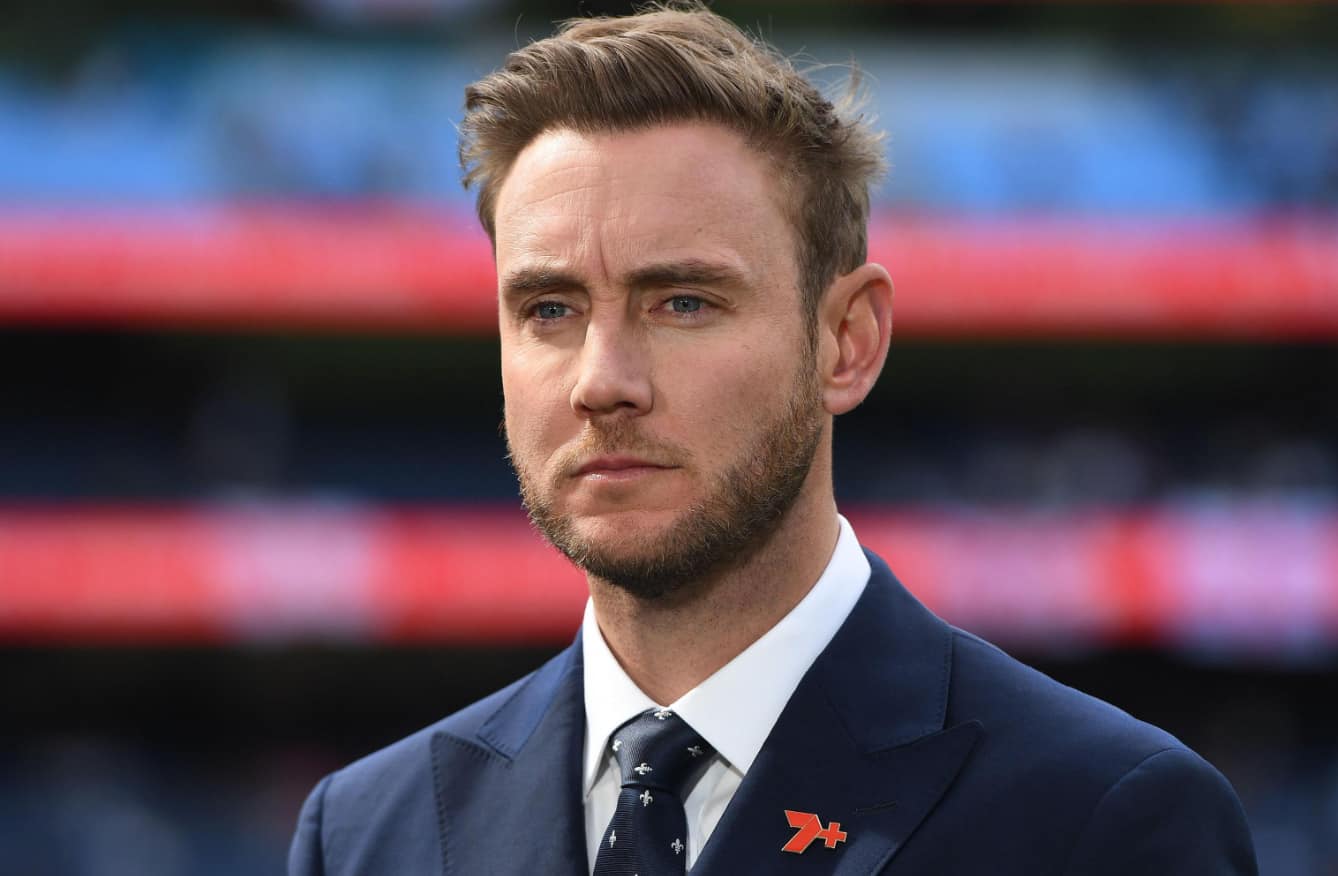
This list reveals the richest England cricketers of 2026, breaking down exactly how they turned cricket talent into lasting financial security.
From gastropubs to property empires, these athletes built wealth that will outlast their playing careers.
Top 7 Richest England Cricketers as of 2026
Here’s the complete ranking of England’s wealthiest cricket stars:
| Position | Player | Net Worth (INR) | Net Worth (USD) |
|---|---|---|---|
| 1 | Stuart Broad | ₹583 crore | $67 million |
| 2 | Andrew Flintoff | ₹182 crore | $21 million |
| 3 | James Anderson | ₹174 crore | $20 million |
| 4 | Graeme Swann | ₹139 crore | $16 million |
| 5 | Jos Buttler | ₹139 crore | $16 million |
| 6 | Ben Stokes | ₹113 crore | $13 million |
| 7 | Joe Root | ₹87 crore | $10 million |
These seven players combined on-field excellence with smart financial decisions. ECB contracts provided the foundation.
IPL stints added significant boosts. But the real wealth came from what they did off the field: endorsements, media careers, property investments, and business ventures.
The gap between first and seventh is massive. Broad’s $67 million dwarfs Root’s $10 million.
That difference reflects career length, business acumen, and timing in the market.
Let’s break down how each player built their fortune.
1. Stuart Broad
| Aspect | Details |
|---|---|
| Net worth | $67 million |
| Income sources | Business ventures, Property investments, Cricket media, Company revenue |
| Endorsements | Red Bull, Adidas, Hardy, Fitzdares |
| Business ventures | Tap and Run (Gastropub) Co-owner |
Stuart Broad sits comfortably at the top with $67 million.
His 15-year international career provided consistent high earnings through ECB contracts and match fees.
Taking 604 Test wickets made him indispensable, which translated to financial security.
But cricket salaries alone don’t build $67 million fortunes. Broad invested smartly. He co-owns gastropubs that generate steady revenue.
His property portfolio includes multiple high-value holdings. He signed long-term deals with premium brands like Red Bull and Adidas that paid well beyond his playing days.
Post-retirement, Broad transitioned seamlessly into media. His cricket podcast and commentary work keep income flowing.
His personality and cricket credibility make him valuable to broadcasters who pay top rates for authentic voices.
The richest England cricketer title reflects both his on-field success and his business intelligence.
Broad understood early that cricket careers are short, but brands and businesses can pay forever.
2. Andrew Flintoff
| Aspect | Details |
|---|---|
| Net worth | $21 million |
| Income sources | Cricket coaching, Media hosting, Brand partnerships |
| Endorsements | Jacamo, Morrisons |
| Business ventures | Freddie Flintoff Ltd |
Andrew Flintoff’s $21 million net worth proves personality pays.
His 2005 Ashes heroics made him a national treasure. But his post-cricket media career built the real wealth.
Flintoff became a mainstream television personality, hosting shows that had nothing to do with cricket.
This crossover appeal multiplied his earning potential beyond what cricket commentary alone would provide.
His everyman charm attracted brands targeting working-class consumers.
His company, Freddie Flintoff Ltd, manages his media appearances, speaking engagements, and brand partnerships.
This corporate structure maximizes income while minimizing tax exposure.
Recent years saw Flintoff pivot into coaching and mentorship roles.
These positions pay well and keep him connected to the sport while his media career continues generating the bulk of his income.
3. James Anderson
| Aspect | Details |
|---|---|
| Net worth | $20 million |
| Income sources | Professional cricket, Brand deals |
| Endorsements | Thomas Cook Sport, Vampire, Wellman |
| Business ventures | Real estate |
James Anderson’s $20 million fortune came from longevity.
He became Test cricket’s most successful fast bowler through sheer persistence. Twenty years of ECB contracts add up.
Anderson never chased big T20 money. He focused on Test cricket, which actually worked in his financial favor.
His unmatched Test record made him valuable to brands wanting association with excellence and longevity rather than flash.
His endorsement portfolio includes health and wellness brands that align with his image as an athlete who stayed fit into his 40s.
These partnerships pay steady rates and require minimal time commitment.
Anderson invested heavily in property. His real estate holdings span multiple locations and provide rental income that will continue long after retirement.
He also owns a collection of luxury cars, viewing them as appreciating assets rather than pure expenses.
His low-key personality kept him out of controversy, which brands love. Clean image equals reliable endorsement income.
4. Graeme Swann
| Aspect | Details |
|---|---|
| Net worth | $16 million |
| Income sources | Cricket commentary, Media appearances, Endorsements |
| Endorsements | Sports brands |
| Business ventures | Mentoring programs |
Graeme Swann built his $16 million through personality and spin bowling.
His quick wit made him a fan favorite during his playing days. That personality became even more valuable post-retirement.
Swann transitioned into cricket commentary and broadcasting immediately after leaving the game.
His sharp observations and humor made him a sought-after voice for major cricket broadcasts.
These roles pay significantly more than playing did.
He also works the corporate speaking circuit.
Companies pay premium rates for Swann to discuss teamwork, pressure management, and peak performance.
His engaging style makes these appearances worth the investment for corporate clients.
His mentoring programs work with young cricketers and athletes from other sports.
These ventures provide both income and personal satisfaction while keeping him connected to cricket development.
5. Jos Buttler
| Aspect | Details |
|---|---|
| Net worth | $16 million |
| Income sources | ECB contract, IPL salary, Endorsements, Investments |
| Endorsements | Vitality, Oppo, Kookaburra, Castore, Booking.com |
| Business ventures | Player’s Fund (VC), Real estate, Wellness brands |
Jos Buttler’s $16 million reflects modern cricket’s earning potential.
His white-ball dominance made him valuable to T20 leagues worldwide.
The IPL pays him millions annually. The ECB contract provides base security.
Buttler signed endorsement deals with major global brands.
Vitality insurance, Oppo phones, and Booking.com all saw value in his clean image and cricket excellence.
These deals collectively generate more than his playing salary.
He invested in the Player’s Fund, a venture capital group focused on sports and wellness startups.
This positions him to benefit from emerging companies while still playing. Smart athletes invest during peak earning years.
His real estate portfolio includes properties in both England and abroad.
He views property as stable long-term wealth that doesn’t depend on staying fit or relevant.
Buttler’s still actively playing, which means his wealth will likely grow significantly before retirement.
His current $16 million could double over the next 5-10 years if he manages investments well.
6. Ben Stokes
| Aspect | Details |
|---|---|
| Net worth | $13 million |
| Income sources | ECB contract, Endorsements, Property investments |
| Endorsements | Adidas, Red Bull |
| Business ventures | CleanCo |
Ben Stokes built $13 million through being cricket’s most valuable all-rounder.
His 2019 World Cup heroics elevated his marketability to another level. Brands want an association with match-winners.
Stokes commands premium rates from Red Bull and Adidas. Both brands pay for his warrior image and fearless approach.
These partnerships extend beyond simple logo placement into content creation and campaign involvement.
He invested in CleanCo, a non-alcoholic spirits company. This aligns with his public image evolution and health-conscious athlete branding.
If the company grows, this stake could become extremely valuable.
His property investments focus on high-end residential real estate. He buys properties that appreciate quickly and generate strong rental yields.
This dual-income approach (appreciation plus rent) builds wealth faster than buying assets that only grow in value.
Stokes is still in his prime playing years. His wealth trajectory suggests he could reach $20-25 million by career’s end if he continues smart investing alongside cricket earnings.
7. Joe Root
| Aspect | Details |
|---|---|
| Net worth | $10 million |
| Income sources | ECB contract, Endorsements, Investments |
| Endorsements | Vitality, Brut, New Balance |
| Business ventures | Property investments, Cricket media |
Joe Root’s $10 million came from being England’s most consistent Test batter for over a decade.
His central contract provided stable income. His leadership as a former Test captain brings bonuses and increased marketability.
Root’s endorsement portfolio includes Vitality, Brut, and New Balance.
These partnerships value his professional image and technical excellence over flashy personality.
He represents reliability, which certain brands pay a premium rate to associate with.
His property investments focus on steady growth rather than high-risk ventures.
He buys in locations with strong rental demand and holds long-term.
This conservative approach suits his personality and builds wealth slowly but surely.
Root also positions himself for media work post-retirement.
His cricket knowledge and calm demeanor make him ideal for commentary and analysis roles that will supplement his investment income.
At 33, Root likely has several high-earning years left. His wealth should grow to $15-18 million by career’s end if he continues his current trajectory.
How England Cricketers Build Wealth?
Several factors separate the wealthy from the extremely wealthy among English cricketers:
- Career Length: Anderson and Broad played 15+ years at the highest level. That longevity compounds earnings massively compared to shorter careers.
- IPL Participation: Players who secured IPL contracts earned multiple millions beyond ECB salaries. Buttler’s consistent IPL presence accelerated his wealth-building.
- Brand Appeal: Personality matters. Flintoff’s crossover appeal and Stokes’ warrior image command higher endorsement rates than pure technical excellence alone.
- Investment Timing: Players who invested in property and businesses during peak earning years built wealth that continues growing post-retirement.
- Media Transitions: Successful pivots into broadcasting and commentary provide income streams that replace playing salaries without the physical demands.
- Business Ventures: Owning actual businesses (gastropubs, companies, startups) creates wealth beyond a salary. The business becomes an asset that can be sold.
The smartest players treat cricket as their first career and plan their second career while still playing. That foresight separates the comfortable from the wealthy.
FAQs
- Q: Who is the richest cricketer in England?
Stuart Broad holds the title with a net worth of approximately $67 million. His wealth comes from his cricket career, business ventures, including gastropub ownership, property investments, and media work.
- Q: How do England cricketers earn money besides playing?
England cricketers earn through ECB central contracts, IPL deals, brand endorsements, media commentary, property investments, business ventures, and corporate speaking engagements.
- Q: Why is Stuart Broad richer than other England players?
Broad’s wealth comes from his long career (15+ years), smart business investments, including gastropub ownership, extensive property portfolio, premium brand partnerships, and successful media transition post-retirement.
- Q: Do England cricketers play in the IPL?
Yes, several English cricketers participate in the IPL. Jos Buttler and Ben Stokes have secured significant contracts, though England players often miss portions due to international commitments.
- Q: What businesses do English cricketers own?
England cricketers own various businesses, including gastropubs (Stuart Broad), media companies (Andrew Flintoff Ltd), property portfolios (multiple players), and investments in startups like CleanCo (Ben Stokes).
- Q: How much do ECB central contracts pay?
ECB central contracts range from approximately £200,000-700,000 annually, depending on the player’s format (red-ball, white-ball, or both) and seniority. Top players like Root and Stokes receive the highest tier contracts.
Conclusion: Stuart Broad Leads England’s Cricket Wealth
Stuart Broad’s $67 million makes him the clear richest England cricketer of 2026. His success came from combining a legendary playing career with smart business moves and seamless media transition.
The seven players on this list took different paths to wealth. Flintoff leveraged his personality into mainstream television. Anderson prioritized longevity and property. Buttler rode the T20 revolution to multiple income streams.
What they share is understanding that cricket careers end, but financial planning doesn’t. They invested during peak earning years. They built brands beyond their batting and bowling. They positioned themselves for post-cricket income.
This list will change over the next 5-10 years. Buttler and Stokes could climb higher if they invest wisely. Younger players might break through with new endorsement opportunities and business ventures.
But for now, these seven represent the financial pinnacle of English cricket. They proved that talent on the pitch, combined with intelligence off it, creates lasting wealth.
Final Verdict:
Stay updated on cricket’s biggest names, their earnings, and career moves. Follow our cricket coverage for the latest player news, salary updates, and wealth rankings.
Also Check:
About the Author
