Every IPL season is shaped by decisions made long before the first ball is bowled.
Behind the scenes, franchise executives are engaged in intense negotiations, evaluating which players to retain, which to release, and which to pursue through the trade window.
The ipl 2026 trade rules have kept fans, analysts, and franchise watchers deeply engaged throughout the off-season.
Every confirmed trade triggers fresh speculation about squad strategies and title ambitions across all ten teams.
Retention pressure adds another layer of complexity. Franchises must balance budget constraints against long-term squad building, often making difficult choices about players they value highly but cannot afford to retain at auction prices.
Understanding how the trade system actually works — the windows, the mechanisms, the mandatory conditions — is essential for anyone following the movement of players and the behind-the-scenes maneuvering that defines IPL squad construction.
IPL 2026 Trade Rules
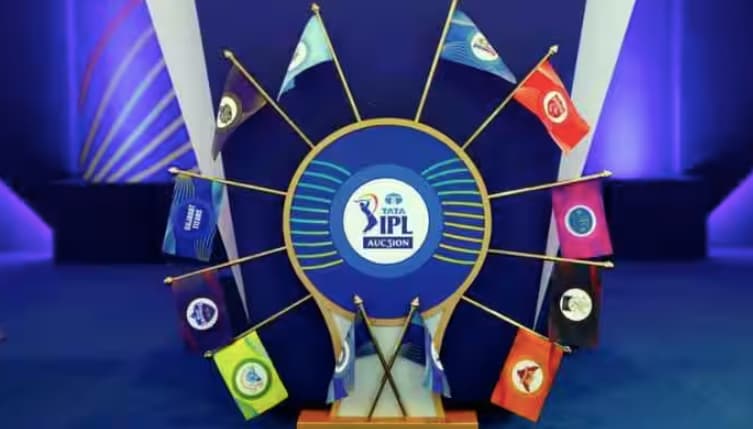
IPL 2026 Trade Rules
The official framework governing player movement between IPL franchises is built around two core pillars — retention control and structured trade windows.
Every ipl 2026 trade rules team interaction must operate within this system, with no franchise permitted to pursue unilateral player acquisitions outside the approved mechanisms.
The ipl 2026 trade rules system is directly linked to the IPL 2026 retention process.
Only players who have been officially retained by a franchise before the November 15, 2025, deadline are eligible to enter the trade window.
Players released for auction cannot be traded and must go through the standard bidding process instead.
| Event | Date | Status |
|---|---|---|
| Trade Window Opens | June 4, 2025 | Active After IPL 2025 |
| Retention Deadline | November 15, 2025 | Mandatory for All Teams |
| IPL 2026 Auction | December 15–16, 2025 | Expected in Abu Dhabi |
| Post-Auction Trade Window | After Auction | Closes 1 Month Before Season |
The IPL 2026 Trade Rules create a structured transfer environment that prevents chaotic last-minute player movements while still giving franchises genuine flexibility to reshape their squads across two distinct windows of opportunity.
Latest Update for IPL 2026 Trade Rules
The following confirmed updates govern all player movement activity in the lead-up to IPL 2026.
- Retention Deadline – November 15: All franchises were required to finalize their retained players before November 15, 2025. Only players formally retained before this date are eligible to participate in any trade window negotiation with other franchises.
- Auction Schedule – December 15–16: The IPL 2026 auction was scheduled for December 15–16, 2025, and was expected to be held in Abu Dhabi. Teams entered the auction room with squads already shaped by retention decisions and pre-auction trades completed during the active window.
- Pre-Auction Trade Period: The pre-auction trade window opened on June 4, 2025 — seven days after IPL 2025 concluded — and remained active until one week before the auction date. This phase represented the primary negotiation window for major player movements across franchises.
- Post-Auction Trade Window: A second trade window reopened following the conclusion of the auction and will close one month before the IPL 2026 season officially begins. This final window allows franchises to make targeted adjustments based on how their auction roster took shape.
- Approved Trade Methods: Three officially sanctioned trade mechanisms exist within the system — all-cash deals, direct player-for-player swaps, and salary-adjusted swaps where a financial difference payment balances unequal contract values between exchanged players.
- Player Consent Mandatory: No trade can be completed without the explicit approval of the player involved. Additionally, the player must already be under a retained contract with their current franchise to be eligible for trade consideration.
The IPL retention 2026 list all team with price confirmed significant financial commitments across franchises before the auction, with several high-value retentions directly influencing which players became available for trade negotiations.
IPL retention 2026 live updates during the November deadline period revealed how each franchise prioritized their core players and which retained names subsequently entered trade discussions with rival teams.
Types of IPL Trade Window
The IPL officially recognizes two distinct trade windows, each serving a specific strategic function within the overall squad-building cycle.
Both windows operate under the same core rules but serve different tactical purposes for franchises at different stages of their pre-season planning.
| Trade Window Type | Opens | Closes | Purpose |
|---|---|---|---|
| Pre-Auction Window | 7 Days After Season | 1 Week Before Auction | Early Squad Adjustments |
| Post-Auction Window | After Auction | 30 Days Before Season | Final Squad Tweaks |
The pre-auction window is typically the more active of the two phases, as franchises use it to address clear squad gaps before entering the auction room.
The post-auction window serves as a fine-tuning mechanism, allowing teams to address specific needs that the auction either did not resolve or created through unexpected bidding outcomes.
Types of IPL Trades to Swap or Purchase Players
IPL franchises have access to three approved mechanisms for completing player acquisitions through the trade window. Each method serves a different financial and roster management purpose depending on the specific circumstances of the transaction.
- All-Cash Deal: The acquiring franchise pays a mutually agreed transfer fee to the current franchise holding the player’s contract. That agreed amount is typically aligned with the player’s previous auction price. Once completed, the player’s full contract and salary obligations transfer entirely to the buying franchise.
- Player-for-Player Swap: Two franchises exchange players directly without any financial transfer, provided both players carry identical contract values. This is the simplest trade mechanism and is commonly used when both franchises identify a mutual benefit in exchanging specific playing profiles.
- Salary Adjustment Swap: When two franchises exchange players with differing contract values, the team receiving the higher-paid player must pay the salary difference to the team receiving the lower-paid player. This mechanism enables trades involving players of unequal market value while maintaining financial fairness between franchises.
The ipl 2026 trade rules players framework ensures that all three mechanisms operate within transparent financial boundaries, with no franchise able to circumvent contract values or manipulate salary structures through trade agreements.
The full IPL 2026 trade players list confirmed across the pre-auction window reflected a mix of all three mechanisms being utilized by different franchises based on their specific squad requirements and financial positions.
IPL 2026 Trade Rules Every Team Should Follow
Every franchise operating within the trade window must comply with the following mandatory conditions. Failure to observe any of these rules results in the trade being invalidated, regardless of how far negotiations have progressed.
- Salary Difference Compensation: When players of different contract values are exchanged between franchises, the team acquiring the more expensive player must transfer the salary difference to the receiving franchise. This rule ensures no franchise gains an unfair financial advantage through unequal swap arrangements.
- Current Franchise Approval: The franchise that currently holds the player’s contract must provide explicit approval before any trade can proceed. Even if the player themselves and an interested franchise have reached an informal agreement, the current owning franchise retains final authority over the outcome of any trade discussion involving their contracted players.
- Retention Before Trade: A player must be under an active retained contract with their current franchise to be eligible for the trade window. Players who have been released and listed for the auction cannot enter trade negotiations and must go through the standard bidding process. This rule directly links the retention deadline to trade eligibility.
- Overseas Player NOC: Any trade involving a non-Indian international player requires a formal No Objection Certificate issued by that player’s home country cricket board. Without the NOC in place, the trade cannot be legally completed, regardless of franchise agreement or player consent.
- Medical Verification Requirement: The franchise acquiring a player through a trade has the right to conduct a medical examination before formally completing the transaction. This protects buying franchises from inheriting undisclosed injury concerns and is particularly relevant for players with recent fitness histories.
- Multiple Franchise Interest Clause: When more than one franchise expresses interest in acquiring the same player, the current owning franchise holds the right to negotiate simultaneously with all interested parties. The owning franchise can evaluate all offers before making a final decision, provided the player has given consent to the trade process being opened.
The ipl 2026 trade rules players list that emerged from the pre-auction window demonstrated how these rules shaped negotiations, with several high-profile moves requiring multi-stage approvals before reaching completion.
The ipl 2026 trade rules CSK activity was among the most significant of the entire window, with Chennai Super Kings’ acquisition of Sanju Samson from Rajasthan Royals standing as the headline transaction of the entire off-season — a move that required player consent, franchise approval, contract valuation alignment, and official BCCI confirmation before being formally announced.
Conclusion:
The ipl 2026 trade rules exist to ensure that player movement between franchises happens fairly, transparently, and within a framework that protects all parties involved — teams, players, and the integrity of the competition itself.
Every trade completed this off-season — from headline franchise swaps to quieter squad depth adjustments — followed the same governed process.
No franchise received preferential treatment, and no player was moved without meeting every mandatory condition the system requires.
- Structured Trading Framework: The IPL 2026 Trade Rules framework ensures salary transparency, financial fairness between franchises, and a clear sequence of approvals that prevents chaotic or manipulated player movements.
- Retention-First Policy: The system’s core requirement that only retained players can be traded protects franchises from losing players they have invested in while ensuring that auction-listed players remain accessible to all ten teams equally.
- Two-Phase Trade Window: The pre-auction and post-auction windows give franchises two structured opportunities to optimize their squads, addressing different types of roster needs at different stages of the planning cycle.
- Player Consent Protection: The mandatory consent requirement ensures that players retain meaningful agency over their own career movements, preventing franchises from trading athletes against their wishes regardless of financial incentives.
IPL 2026 Trade Rules guarantee competitive balance, transparency, and disciplined squad building for every franchise — making the off-season as strategically compelling as the tournament itself.
Also Check:
About the Author
