Death bowling in T20 cricket isn’t just about pace or swing.
It’s about standing firm when batters are swinging freely, scores are tight, and one mistake can flip a match in seconds.
IPL history has produced some brilliant bowlers who mastered this art, turning pressure situations into match-winning moments for their teams.
The best death bowlers in IPL history combine smart variations, accurate yorkers, and calm execution when runs come fast.
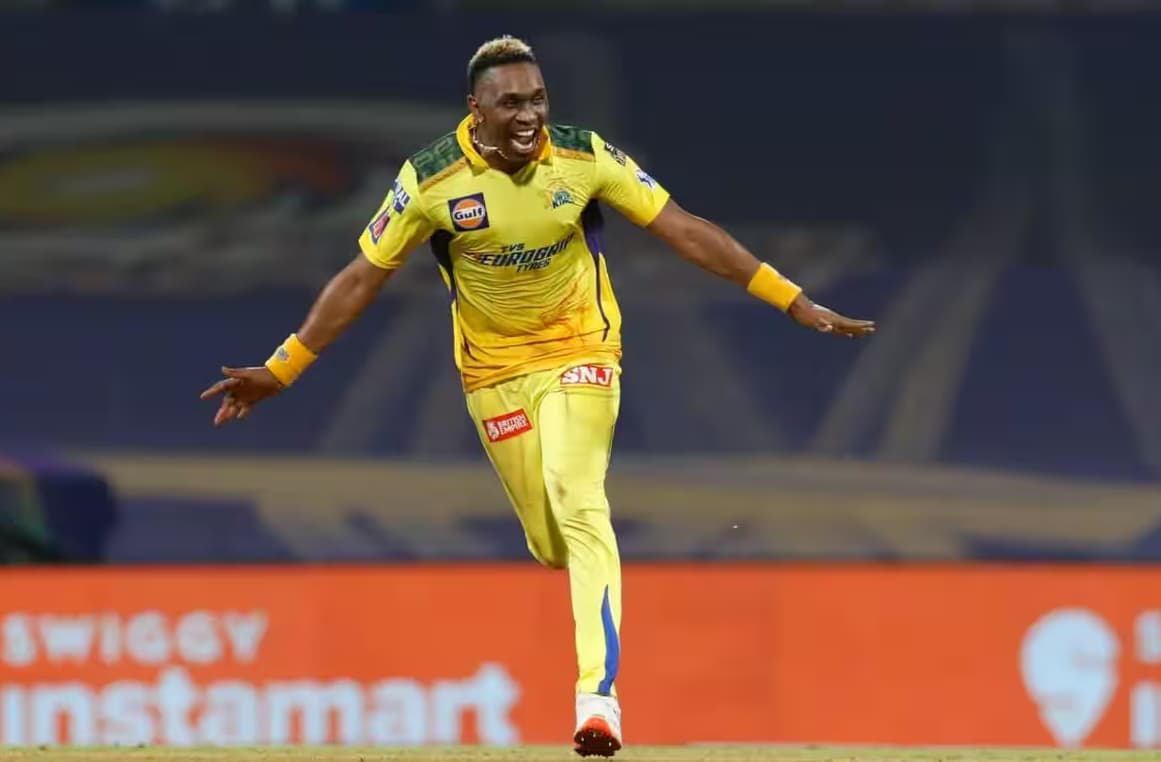
From Dwayne Bravo’s clever slower balls to Jasprit Bumrah’s pinpoint yorkers, these bowlers have shaped countless IPL finishes through skill and mental strength under pressure.
Best Death Bowlers In IPL History
What Makes Death Bowling So Challenging?
Bowling in overs 17 to 20 demands a completely different skill set compared to powerplay or middle overs.
Batters have settled in, field restrictions are off, and hitting boundaries becomes the primary focus.
One loose delivery can disappear for six, and a couple of bad balls can cost 20-plus runs in a single over.
The mental game becomes just as important as technical ability.
Death bowlers face aggressive batting lineups hunting quick runs, often with little margin for error.
They must execute yorkers under fatigue, adjust to different pitch conditions late in matches, and handle crowd noise during close finishes.
Successful death bowlers develop a few reliable weapons they can trust when pressure builds.
Some rely on slower ball variations that deceive timing, while others depend on yorkers that eliminate room for clean hitting.
Reading batters’ movements and anticipating their shot selection often separates good bowlers from great ones in this phase.
Top 10 Best Death Bowlers in IPL History
The following rankings are based on total wickets taken between overs 17 and 20 throughout IPL history, reflecting consistent performance in the most difficult bowling phase.
| Rank | Player | Death Overs Wickets | Innings | Economy Rate |
|---|---|---|---|---|
| 1 | Dwayne Bravo | 102 | 125 | 9.73 |
| 2 | Bhuvneshwar Kumar | 93 | 151 | 9.50 |
| 3 | Lasith Malinga | 90 | 109 | 7.82 |
| 4 | Jasprit Bumrah | 86 | 132 | 8.34 |
| 5 | Harshal Patel | 70 | 81 | 10.24 |
| 6 | Sunil Narine | 61 | 99 | 7.99 |
| 7 | Mohit Sharma | 61 | 86 | 10.40 |
| 8 | Mohammed Shami | 58 | 77 | 10.87 |
| 9 | Chris Morris | 55 | 65 | 8.55 |
| 10 | Kagiso Rabada | 53 | 68 | 9.81 |
Dwayne Bravo – 102 Wickets
Dwayne Bravo sits at the top with 102 death-over wickets across 125 innings, showing remarkable consistency over multiple IPL seasons.
His ability to mix slower balls with yorkers created uncertainty for batters trying to finish innings strongly.
Bravo bowled 1,115 balls in death overs and conceded 1,810 runs while maintaining a 9.73 economy rate.
His 344 dot balls proved crucial in building pressure when batters expected scoring opportunities.
A bowling average of 17.74 reflects how regularly he dismissed set batters during their aggressive phases.
Teams trusted Bravo in close matches because he rarely panicked when batters attacked.
His trademark slower ball became one of IPL’s most recognizable weapons, often forcing mistimed shots during crucial overs.
Bhuvneshwar Kumar – 93 Wickets
Bhuvneshwar Kumar’s 93 death-over wickets came across 151 innings, highlighting his durability as a finisher with the ball.
He delivered 1,269 balls and conceded 2,011 runs while maintaining a 9.50 economy rate, which remains effective considering the aggressive nature of the final overs.
His 376 dot balls helped control scoring when batters looked to accelerate.
A bowling average of 21.62 shows steady wicket-taking ability even when facing established batters hunting boundaries.
Bhuvneshwar’s success came from precise yorker execution and intelligent use of slower deliveries.
His ability to bowl consistent lines under pressure made him a reliable option across different pitch conditions and match situations.
Lasith Malinga – 90 Wickets
Lasith Malinga’s 90 death-over wickets across 109 innings showcase exceptional efficiency in tight situations.
His unique sling-arm action and devastating yorkers made him one of the hardest bowlers to face during the closing overs.
Malinga bowled 917 balls and conceded just 1,196 runs, resulting in an outstanding 7.82 economy rate.
His 320 dot balls created pressure that forced batters into risky shots.
A remarkable bowling average of 13.28 stands as one of the best among death specialists.
His ability to hit the blockhole consistently gave batters minimal room to generate power.
Malinga’s yorkers often trapped batters LBW or cleaned up stumps when they tried clearing the front leg.
Jasprit Bumrah – 86 Wickets
Jasprit Bumrah’s 86 wickets in death overs came across 132 innings, reflecting teams’ trust in his ability to handle pressure moments.
He delivered 1,207 balls and conceded 1,679 runs while maintaining an impressive 8.34 economy rate.
His 403 dot balls represent the highest on this list, showing exceptional control when batters looked to attack.
A bowling average of 19.52 highlights steady wicket-taking during the most challenging phase.
Bumrah’s unorthodox action and yorker accuracy make him tough to read and even tougher to score against.
His calm temperament allows him to execute plans even when batters target him in high-pressure chases.
Harshal Patel – 70 Wickets
Harshal Patel claimed 70 death-over wickets in just 81 innings, showing quick adaptation to this demanding role.
He bowled 690 balls and conceded 1,178 runs with a 10.24 economy rate, acceptable given the aggressive batting he faced.
His 233 dot balls helped slow scoring momentum during crucial moments.
A bowling average of 16.82 highlights how frequently he broke partnerships when batters attacked in the final overs.
Harshal’s success relies heavily on slower ball variations and clever pace changes.
His ability to disguise deliveries forces batters into mistimed shots, often resulting in catches near the boundary.
Death Over Specialists Across Cricket Formats
Best Death Over Bowler in T20
T20 cricket demands death bowlers who can adapt quickly to different batting approaches.
The best death over bowler in T20 format needs variations, yorker accuracy, and mental toughness to handle pressure situations consistently.
Bowlers like Rashid Khan and Mustafizur Rahman have built strong reputations across T20 leagues worldwide.
Their success comes from reading batters’ intentions and adjusting deliveries accordingly, making clean hitting difficult when teams need quick runs.
Death Over Specialist Bowler in IPL
A death over specialist bowler in IPL faces unique challenges due to flat pitches and aggressive batting lineups.
These bowlers develop specific skill sets focused on the 17-20 over phase rather than being effective throughout innings.
Players like Harshal Patel and Mohit Sharma made careers primarily through death-over expertise.
Their ability to execute under pressure gave teams reliable options when defending totals in close matches.
Best Death Over Bowler in ODI
The best death over bowler in ODI cricket needs stamina and consistency across longer spells.
Unlike T20s, ODI death bowling often involves facing well-set batters who’ve built innings over 30-40 overs.
Bowlers like Lasith Malinga and Mitchell Starc excelled in ODI death overs through yorker accuracy and pace variations.
Their ability to deliver under fatigue while maintaining effectiveness separated them from other bowlers.
Tactical Insights: What Sets Elite Death Bowlers Apart
Elite death bowlers share common mental traits that help them succeed when pressure builds.
They accept that some deliveries will disappear for boundaries and focus on executing the next ball rather than dwelling on mistakes.
Field placement becomes crucial during death overs, and smart bowlers work closely with captains to set fields that complement their deliveries.
A well-placed deep point or third man can turn a potential boundary into a single, changing momentum in tight finishes.
Successful death bowlers also study batters’ tendencies before matches.
Knowing whether a batter prefers hitting straight or square helps bowlers adjust their lines and lengths.
Small details like bowling wider or straighter based on batter movement often decide whether deliveries get smashed or defended.
Key Differences: Death Bowlers in IPL 2020, 2021, and 2022
- Best Death Bowlers in IPL History 2020: The 2020 season saw slower pitches in UAE conditions, favoring bowlers who could vary pace effectively. Jasprit Bumrah and Kagiso Rabada dominated this phase, using slower surfaces to their advantage by mixing speeds and hitting good lengths.
- Best Death Bowlers in IPL History 2021: Indian pitches in 2021 offered more bounce and pace, benefiting bowlers with yorker accuracy. Harshal Patel emerged as the season’s leading wicket-taker, largely through death-over success using clever slower balls and wide yorkers.
- Best Death Bowlers in IPL History 2022: The 2022 season highlighted the importance of wide yorkers and slower bouncers. Bowlers who adapted to batters’ aggressive approaches succeeded, while those sticking to predictable patterns struggled when batters anticipated deliveries.
Expert Insight: Why Death Bowling Defines Match Outcomes
Death bowling often decides IPL matches because small margins separate winning and losing in close games.
A bowler who concedes 12 runs instead of 18 in the final over can swing match results, especially when defending modest totals.
Batters target death overs for quick runs, making this phase highly volatile.
One mistimed shot can result in dismissal, while one loose delivery can shift momentum completely.
This constant battle between bat and ball creates drama that keeps fans engaged until the final delivery.
Teams invest heavily in death bowling specialists because finding reliable options remains difficult.
Bowlers who consistently deliver under pressure become invaluable assets, often earning higher salaries and longer contracts based on their late-innings impact.
Top 10 Death-Over Specialist Bowlers in World Cricket
While IPL showcases exceptional death bowling, world cricket has produced several specialists who excel across formats and conditions.
Bowlers like Jasprit Bumrah, Kagiso Rabada, and Shaheen Afridi have proven their worth in international cricket through consistent death-over performances.
The top 10 death-over specialist bowlers in world cricket combine experience with adaptability.
They adjust to different formats, pitch conditions, and batter approaches while maintaining effectiveness in high-pressure situations.
Their success comes from years of practice, match awareness, and mental strength developed through experience.
Frequently Asked Questions
- Who has the most death-over wickets in IPL history?
Dwayne Bravo holds the record with 102 wickets in overs 17-20, ahead of Bhuvneshwar Kumar’s 93 and Lasith Malinga’s 90 wickets.
- What economy rate is considered good for death bowling in IPL?
An economy rate below 9.50 in death overs is excellent in IPL, considering aggressive batting and favorable conditions for hitting during this phase.
- Which spinner has the most death-over wickets in IPL?
Sunil Narine leads spinners with 61 death-over wickets, using variations and tight lines to restrict scoring when batters attack.
- Why is the 19th over considered the most difficult to bowl?
The 19th over comes when batters are settled, field restrictions are off, and teams need quick runs, making it the highest-risk phase for bowlers.
- How do bowlers practice death-over skills?
Bowlers practice yorkers repeatedly, work on slower ball variations, and simulate match pressure through scenario-based training in nets.
Final Thoughts:
Dwayne Bravo stands as the best death bowler in IPL history with 102 wickets, built through years of consistent performance in the toughest overs.
His ability to execute under pressure set a benchmark that current bowlers aim to reach.
Death bowling remains IPL’s most challenging skill because it combines technical ability with mental toughness.
Bowlers who control runs and take wickets late in innings often decide close matches, making them invaluable to their teams.
As IPL continues evolving, new bowlers will emerge to challenge these records.
The battle between bat and ball in death overs will keep producing memorable moments that define tournament outcomes and individual legacies.
Also Check:
About the Author
