The Indian Premier League has fundamentally redefined what it means to chase in T20 cricket.
What was once considered a near-impossible task — hunting down 200-plus targets in twenty overs — has become a regular occurrence across the tournament’s most memorable seasons.
The highest run chase in ipl history was not built in a single moment. It emerged from years of batting evolution, coaching philosophy shifts, and the arrival of a generation of power hitters who approach any target with genuine belief rather than cautious calculation.
Last-over finishes that leave crowds breathless have become a defining characteristic of the IPL experience.
The format rewards aggression, celebrates risk-taking, and punishes conservative chasing mindsets that might succeed in other cricketing environments but fail in the relentless pressure of an IPL knockout-or-qualify context.
The 200-plus target threshold that once separated safe totals from dangerous ones has been systematically dismantled by batters armed with better techniques, superior fitness, and a complete psychological recalibration of what is achievable in twenty overs.
Every season, the record books are tested. Every season, a new chapter is added to the most compelling statistical story the league produces.
Highest Run Chase In IPL History
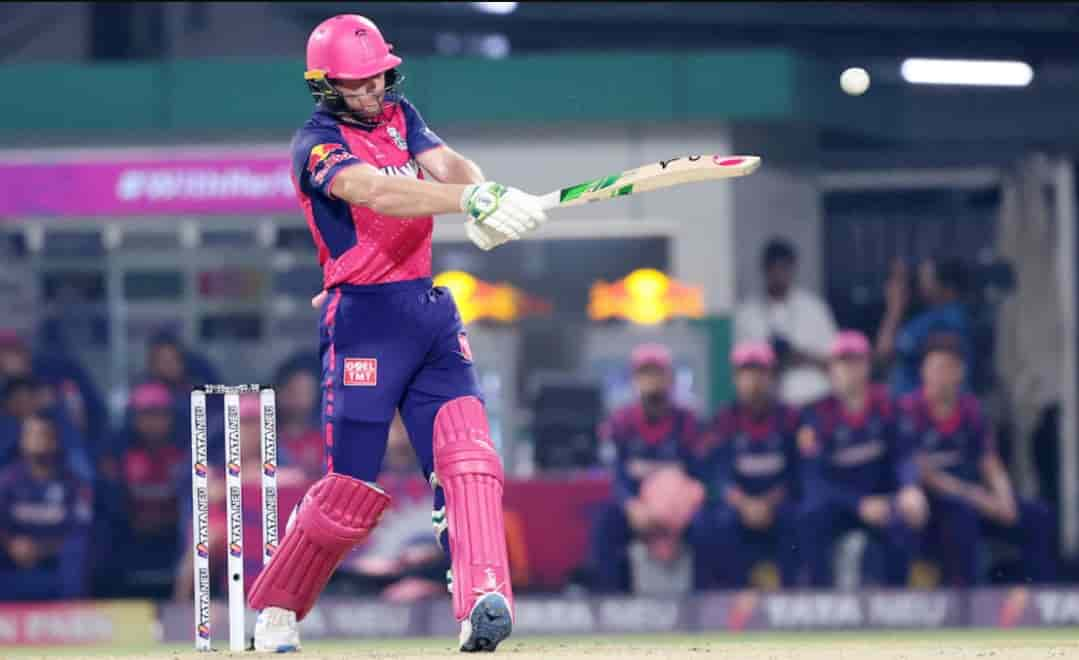
Highest Run Chase In IPL History
The top 10 highest run chase in ipl history spans seventeen seasons of competition and covers franchises ranging from inaugural-era teams to modern power-hitting outfits built specifically around chasing capability. The evolution of this list reflects not just individual brilliance but a structural shift in how IPL teams are assembled and deployed.
Every match on this list required a combination of aggressive intent from the opening overs, composure under mounting target pressure, and at least one individual performance of extraordinary quality that shifted the match’s momentum decisively in the chasing team’s favor.
| Rank | Team | Score | Target | Opponent | Date | Result |
|---|---|---|---|---|---|---|
| 1 | PBKS | 262/2 | 262 | KKR | 26-Apr-2024 | Won by 8 wickets |
| 2 | SRH | 247/2 | 246 | PBKS | 12-Apr-2025 | Won by 8 wickets |
| 3 | RCB | 230/4 | 228 | LSG | 27-May-2025 | Won by 6 wickets |
| 4 | RR | 226/6 | 224 | KXIP | 27-Sep-2020 | Won by 4 wickets |
| 5 | RR | 224/8 | 224 | KKR | 16-Apr-2024 | Won by 2 wickets |
| 6 | MI | 219/6 | 219 | CSK | 01-May-2021 | Won by last ball |
| 7 | RR | 217/7 | 215 | DEC | 24-Apr-2008 | Won by 3 wickets |
| 8 | SRH | 217/6 | 215 | RR | 07-May-2023 | Won in final over |
| 9 | MI | 216/4 | 215 | PBKS | 03-May-2023 | Won by 6 wickets |
| 10 | SRH | 215/6 | 215 | PBKS | 19-May-2024 | Won by 5 balls |
| 11 | DC | 214/3 | 209 | GL | 04-May-2017 | Won by 7 wickets |
| 12 | MI | 214/4 | 213 | RR | 30-Apr-2023 | Won by 3 balls |
The top 5 highest run chase in ipl history are all above 224 runs, and remarkably three of those five occurred across IPL 2024 and 2025 seasons — confirming that the pace of escalation in successful chases is accelerating rather than plateauing as defensive bowling tactics attempt to keep pace with batting innovations.
Detailed Match-by-Match Analysis
Each of these twelve chases contains layers of tactical brilliance, individual genius, and momentum-defining turning points that reward deeper examination beyond the scorecard numbers.
Match 1 – PBKS vs KKR, April 26, 2024 (262 Target)
Punjab Kings completed the highest run chase in ipl history at Eden Gardens on April 26, 2024, overhauling KKR’s total of 261 with remarkable ease in what became the most discussed batting performance the tournament had produced in years.
- KKR’s First Innings Powerhouse Display Kolkata Knight Riders posted 261/6 on the back of two extraordinary individual performances at the top of their order. Phil Salt and Sunil Narine combined to produce one of the most destructive opening partnerships in IPL batting history, setting a platform that the middle and lower order extended into the 250-plus range. The total was the kind of score that virtually every previous season would have guaranteed a victory.
- Johnny Bairstow’s Historic Contribution The highest run chase in ipl history scorecard is defined by Johnny Bairstow’s unbeaten 108 off just 48 balls — an innings that combined clean hitting with extraordinary timing and placement. Bairstow attacked from ball one without any period of conservative scoring, treating a 262-run target with the same aggressive mindset he would bring to chasing 180.
- Sashank Singh’s Supporting Role Bairstow’s opening partner Sashank Singh contributed 68 off 28 balls, maintaining the required run rate and preventing any middle-period dip in momentum that might have allowed KKR’s bowlers to apply pressure. The partnership was so completely dominant that PBKS completed the chase without the kind of final-over drama that usually accompanies 250-plus successful chases.
- Why This Chase Changed IPL History PBKS completing a 262-run chase with eight wickets remaining and significant balls to spare fundamentally altered how franchises and analysts assess what constitutes a “safe” batting-first total. The psychological impact of this single match rippled through the remainder of the 2024 season and directly influenced how teams approach batting first in subsequent years.
| Batting | Runs | Balls | Fours | Sixes | Strike Rate |
|---|---|---|---|---|---|
| Johnny Bairstow* | 108 | 48 | — | — | 225.00 |
| Sashank Singh | 68 | 28 | — | — | 242.86 |
Match 2 – SRH vs PBKS, April 12, 2025 (246 Target)
The second highest run chase in IPL history arrived on April 12, 2025, when Sunrisers Hyderabad dismantled PBKS’s 245-run total in a manner that left analysts struggling to find adequate superlatives. This match produced arguably the single greatest individual chasing innings in the tournament’s entire seventeen-season history.
- PBKS’s Massive First Innings Punjab Kings had posted an enormous total built primarily on Shreyas Iyer’s breathtaking 82 off 36 balls — an innings played at a strike rate that made even a 246-run target feel like it might not be enough. Marcus Stoinis added a rapid 34 not out off 11 balls in the death overs to push PBKS past the 245 mark and give their bowlers what appeared to be an impenetrable total to defend.
- Abhishek Sharma’s Phenomenon Innings What Abhishek Sharma produced in reply is the defining performance of modern IPL chasing. His 141 runs off 55 balls — featuring 14 fours and 10 sixes — represented the largest individual score ever made in a successful high-target chase of this magnitude. He attacked every delivery type, every bowling style, and every field setting with equal ferocity, never allowing the required run rate to build into unmanageable territory.
- Travis Head’s Complementary Excellence While Abhishek Sharma dominated statistical headlines, Travis Head’s 66 off 37 balls was a perfectly calibrated supporting innings that kept pressure off the strike and maintained scoring momentum throughout the opening powerplay. The pair’s 171-run opening partnership was completed with such efficiency that SRH needed only 18.3 overs and lost just two wickets in total.
- The Partnership’s Tactical Brilliance The Head-Abhishek opening stand in this match is one of the most statistically dominant chasing partnerships in IPL history. Both batters scored at over 175, the required run rate never threatened to become unmanageable, and PBKS’s bowlers — despite the quality available in their attack — were given no opportunity to apply pressure at any stage of the innings.
| Batting | Runs | Balls | Fours | Sixes | Strike Rate |
|---|---|---|---|---|---|
| Abhishek Sharma* | 141 | 55 | 14 | 10 | 256.36 |
| Travis Head | 66 | 37 | — | — | 178.38 |
Match 3 – RCB vs LSG, May 27, 2025 (228 Target)
The highest run chase in IPL history by RCB arrived in the 2025 season’s final stages when Royal Challengers Bengaluru successfully chased 228 against Lucknow Super Giants. This result was particularly significant as it came during RCB’s historic title-winning campaign and demonstrated the defending champions’ ability to chase any total in the tournament.
- Rishabh Pant’s Match-Defining First Innings LSG captain Rishabh Pant produced one of the finest IPL innings of the entire 2025 season with an unbeaten 118 off 61 balls — a knock that combined classical strokeplay with explosive finishing to build an LSG total that most franchises would have defended comfortably.
- Virat Kohli’s Platform-Setting Contribution In the chase, Virat Kohli’s 54 off 30 balls provided exactly the kind of controlled aggression that an opening batter needs to deliver in a 228-run chase. His innings kept the required run rate manageable through the powerplay while still contributing meaningfully to the total needed.
- Jitesh Sharma’s Decisive Finishing Masterclass Stand-in captain Jitesh Sharma’s unbeaten 85 off 33 balls was the innings that defined the chase. His ability to attack from the moment he arrived at the crease and maintain extraordinary striking through the death overs gave RCB the acceleration they needed without creating the panic that uncontrolled hitting often produces late in a chase of this scale.
- RCB’s Championship Chase Mentality This match demonstrated that RCB’s 2025 title-winning campaign was built not just on strong first-innings performances but on a squad-wide chasing mentality. Completing a 228-run chase with eight balls remaining — against a strong LSG bowling attack defending Pant’s magnificent score — confirmed the depth of RCB’s batting resources under Rajat Patidar’s leadership.
| Batting | Runs | Balls | Strike Rate |
|---|---|---|---|
| Jitesh Sharma* | 85 | 33 | 257.58 |
| Virat Kohli | 54 | 30 | 180.00 |
Match 4 – RR vs PBKS, September 27, 2020 (224 Target)
Rajasthan Royals produced one of the most famous comebacks in IPL history on September 27, 2020, in the UAE leg of the tournament that had been relocated due to the global pandemic. The match will forever be associated with a single over that completely inverted the momentum of a chase that had seemed lost beyond recovery.
- PBKS’s Dominant First Innings Punjab Kings posted 223 on the back of Mayank Agarwal’s magnificent 106 off 50 balls — a century of such quality that it appeared to have settled the match’s outcome well before RR had begun their reply. The total was built confidently, with PBKS’s batting order contributing across the innings to create both a large target and a high required run rate.
- RR’s Collapse Mid-Chase Rajasthan Royals’ chase began badly and deteriorated further through the middle overs, with wickets falling regularly and the required run rate climbing to a figure that made the chase seem mathematically improbable. Sanju Samson battled hard with 85 off 42 balls, but his dismissal left RR needing an extraordinary contribution from the lower order.
- Rahul Tewatia’s Five-Six Over Rahul Tewatia’s five consecutive sixes off Sheldon Cottrell in the 18th over became one of the most replayed moments in IPL broadcast history. Needing an absurd number from the final overs, Tewatia had been struggling before suddenly connecting with five maximums in a single over — 30 runs that transformed an impossible chase into a realistic one in the space of six deliveries.
- Final-Over Drama Tewatia finished with 53 off 31 balls, combining his five-six over with other contributions to give RR a genuine chance in the final delivery. They crossed the line with three balls remaining, completing a chase that had seemed entirely beyond them at multiple points throughout the innings. This match established Rahul Tewatia as one of IPL’s most celebrated finishers in a single evening.
| Batting | Runs | Balls | Strike Rate | Notable Moment |
|---|---|---|---|---|
| Sanju Samson | 85 | 42 | 202.38 | Anchor innings |
| Rahul Tewatia | 53 | 31 | 170.97 | Five sixes in one over |
Match 5 – RR vs KKR, April 16, 2024 (224 Target)
Rajasthan Royals completed the fifth-highest successful chase in IPL history on April 16, 2024 — just ten days before PBKS’s record-breaking effort against the same KKR franchise. This match required a completely different chasing approach — controlled anchoring rather than explosive domination — and delivered a result of equal drama through different means.
- Sunil Narine’s Destructive Batting Display KKR posted 223 primarily through Sunil Narine’s extraordinary 109-run innings — a score that underlined how dramatically Narine had reinvented himself as an IPL batter alongside his established bowling identity. His century had the quality of a planned assault rather than a fortunate accumulation, creating a total that placed RR’s chase in genuinely difficult territory.
- Jos Buttler’s Championship-Level Anchoring RR’s response was built around Jos Buttler’s composed 107 off 60 balls — an innings that combined boundary scoring with intelligent rotation, never allowing the required run rate to reach critical levels while maintaining personal momentum throughout. Buttler’s ability to score at over 178 while also providing stability is what separates his anchoring from simple accumulation.
- Lower-Order Contributions Under Pressure Riyan Parag’s 34 off 14 balls and a sequence of crucial lower-order contributions characterized the final stages of RR’s chase as boundaries became harder to find under KKR’s bowling attack tightening their lines. The match was decided with just one ball remaining — RR completing the chase in a finish that required nerve from every batter involved in the final three overs.
Match 6 – MI vs CSK, May 1, 2021 (219 Target)
The highest run chase in IPL by MI at this point in the tournament’s history was completed on May 1, 2021 against Chennai Super Kings in a match that required sixteen runs from the final over and delivered a last-ball finish that is still regarded as one of Kieron Pollard’s finest IPL moments.
- CSK’s Competitive First Innings Chennai Super Kings built 218 on a platform that Moeen Ali’s 58 off 36 balls helped establish in the middle overs. CSK’s total was not built through a single dominant partnership but through collective batting contributions that accumulated steadily throughout the innings, creating a target that their bowling attack would have expected to defend.
- MI’s Mid-Chase Momentum Maintenance Mumbai Indians’ chase was built through collaborative contributions across the batting order rather than one commanding partnership. Multiple batters contributed meaningful scores without any single player entirely controlling the innings, meaning the final over arrived with sixteen still needed and the match genuinely alive for both teams.
- Kieron Pollard’s Unbeaten 87 Pollard’s 87 off 34 balls featuring eight sixes was a batting performance defined by calculated aggression in the death overs. Arriving when the chase required urgent acceleration, Pollard combined brutal power hitting with smart cricketing intelligence — knowing which deliveries to attack, which lengths to target, and when to take the single to maintain strike.
- Last-Ball Victory Sequence The final over produced one of the most memorable last-over finishes in IPL history — a six, two boundaries, and a quick double off the final delivery giving MI the win from what appeared an almost impossible requirement entering the last six balls. Pollard’s composure executing that sequence under maximum pressure confirmed his standing as the IPL’s premier match-finishing specialist.
| Batting | Runs | Balls | Sixes | Strike Rate |
|---|---|---|---|---|
| Kieron Pollard* | 87 | 34 | 8 | 255.88 |
Match 7 – RR vs Deccan Chargers, April 24, 2008 (215 Target)
Rajasthan Royals’ 215-run chase against Deccan Chargers in the very first IPL season holds a unique historical significance that extends beyond its position on the all-time list. In 2008, a target of 214 was considered virtually unchallengeable — the batting depths, power-hitting techniques, and psychological frameworks that make 200-plus chases routine today simply did not exist in the tournament’s inaugural season.
- Andrew Symonds’ Dominant First Innings Deccan Chargers posted 214 primarily through Andrew Symonds’ devastating 117 off 53 balls — an innings that was, in the context of inaugural IPL cricket, among the most explosive batting displays the format had witnessed. Symonds’ power and timing at the peak of his career created a total that the vast majority of cricket analysts would have assessed as an unassailable defending target.
- The Inaugural Era Context The significance of this chase cannot be overstated when viewed through the lens of 2008 T20 batting standards. Franchises had not yet fully understood the power-hitting potential of a fully optimized IPL batting lineup. Bowlers had not yet encountered the systematic attacking strategies that modern IPL batters deploy. The conditions were entirely different to today’s power-hitting environment.
- Graeme Smith and Yusuf Pathan’s Chasing Partnership RR’s chase featured Graeme Smith’s composed 71 off 45 balls providing the foundation before Yusuf Pathan’s brutal 61 off 28 balls delivered the acceleration needed in the final overs. The combination of Smith’s classical technique and Pathan’s explosive power represented exactly the kind of complementary batting partnership that successful high chases require regardless of era.
- Historical Significance of the Three-Wicket Win RR completed the chase with just one ball remaining, winning by three wickets in a finish that demonstrated from the very first IPL season that no total would be entirely safe in this format. This match established the philosophical foundation for every successful high-target chase that followed it across the next seventeen seasons.
Match 8 – SRH vs RR, May 7, 2023 (215 Target)
Sunrisers Hyderabad’s 215-run chase against Rajasthan Royals on May 7, 2023 was built through sustained partnership accumulation rather than one dominant individual performance — a chasing template that proved as effective as the explosive individual innings that define most entries on this list.
- Jos Buttler’s First Innings Platform RR’s 214 was built heavily on Jos Buttler’s 95 off 59 balls — an innings that combined his characteristic aggressive opening play with measured acceleration through the middle overs. Buttler’s 95 gave RR a total that placed genuine pressure on SRH’s chasing lineup, particularly given the match’s mid-tournament playoff implications.
- Abhishek Sharma’s Foundation Setting SRH opener Abhishek Sharma’s 55 off 34 balls gave the chase early momentum and set the required run rate on a manageable trajectory before his dismissal. His contribution prevented the kind of early match situation where the required rate escalates beyond comfortable control in the powerplay phase.
- Rahul Tripathi’s Anchor Role Rahul Tripathi’s composed 47 not out represented the kind of under-appreciated innings that appears in virtually every successful high-target chase — the player who does not make the highlights but whose presence ensures the team crosses the line when the attacking batters are dismissed.
- Glenn Phillips’ Finishing Statement Glenn Phillips scored 25 off just 7 balls in the final over phase, delivering the finishing acceleration that separated a close SRH defeat from an SRH victory. His ability to connect cleanly under maximum pressure in the match’s most intense moments confirmed the depth of chasing quality available throughout SRH’s batting lineup.
Match 9 – MI vs PBKS, May 3, 2023 (215 Target)
Mumbai Indians’ 215-run chase against Punjab Kings on May 3, 2023 demonstrated how top-order tempo setting can create such favorable momentum that even the death overs become straightforward despite the target size.
- PBKS’s Explosive Construction Punjab Kings posted 214 through a combination of Liam Livingstone’s explosive 82 off 42 balls and Jitesh Sharma’s 49 off 27 balls in the middle overs. The combination of a quality middle-order batter and a specialist death-over striker gave PBKS a total that their bowling attack would have considered well above the typical safety threshold.
- Ishan Kishan’s Platform-Building Innings Ishan Kishan’s 75 off 41 balls at the top of MI’s order established the platform from which the chase was ultimately completed. His ability to score at 182 while also building partnerships ensured that the required rate never spiraled into genuinely dangerous territory, leaving MI’s death-over specialists with an achievable rather than desperate finishing task.
- Suryakumar Yadav’s Match-Winning Acceleration Suryakumar Yadav’s 66 off 31 balls in the middle and death overs provided the acceleration that pushed MI’s chase over the line with seven balls remaining. His 360-degree batting — attacking boundaries through unconventional angles that PBKS’s field placements could not cover — is precisely the kind of individual skill that separates 215-run successful chases from failed attempts.
Match 10 – SRH vs PBKS, May 19, 2024 (215 Target)
Sunrisers Hyderabad’s second successful 215-run chase against Punjab Kings — this time in 2024 rather than 2023 — confirmed what was becoming increasingly apparent about Pat Cummins’ franchise: SRH had developed a chasing identity, a culture, and a personnel selection approach specifically oriented around successful high-target chasing.
- PBKS’s Prabhsimran-Powered Total Punjab Kings’ 214 was built around Prabhsimran Singh’s 71 off 45 balls — a consistent opening batter performance that gave PBKS a strong platform for the middle and lower order to build upon. The total was robust enough that most opponents would have accepted it as a likely match-winning score.
- Abhishek Sharma’s Consistent Excellence Abhishek Sharma’s 66 not out off 28 balls in this match — his second major individual contribution in a 215-plus successful chase across different seasons — demonstrated the consistency that makes him SRH’s most important chasing weapon. His strike rate and boundary-hitting ability give SRH a mathematical advantage in chasing that is difficult to replicate with bowling-focused lineups.
- Heinrich Klaasen’s Decisive Support Heinrich Klaasen’s 42 off 26 balls provided the weight behind Abhishek Sharma’s dominance, ensuring that the chase was not dependent on a single batter and that PBKS’s bowlers could not concentrate their defensive focus on neutralizing one individual match-winner. SRH completed the chase with five balls remaining — a comfortable winning margin by the standards of a 215-run chase.
Match 11 – DC vs GL, May 4, 2017 (209 Target)
Delhi Capitals’ 214-run chase against Gujarat Lions on May 4, 2017 is historically significant not only for the result but for the identity of the batting partnership that delivered it. Two young Indian players produced an innings that announced them to the entire cricketing world simultaneously.
- Gujarat Lions’ Competitive Total Gujarat Lions posted 208 through half-centuries from Dinesh Karthik and Suresh Raina — two of the IPL’s most experienced middle-order operators at that time. Their total represented exactly the kind of experienced, calculated batting approach that young chasing teams often find psychologically difficult to overcome.
- Rishabh Pant’s Career-Defining Performance Rishabh Pant’s 97 off 43 balls was at the time the most emphatic statement of individual batting quality the 19-year-old wicketkeeper-batter had produced on the IPL stage. His ability to read bowling intentions, create unorthodox scoring angles, and maintain power-hitting under first-team pressure confirmed that the IPL had found one of its next generational stars.
- Sanju Samson’s 61-Run Partnership Contribution Sanju Samson’s 61 off 31 balls complemented Pant’s dominant display with his own brand of attacking batting from the right-hand side of the partnership. Their 143-run partnership completed with 15 balls remaining delivered a winning margin that translated the pressure of a 209-run target into a statement of DC’s batting depth.
- Legacy of the Partnership Both Pant and Samson went on to become among the most important IPL batters of the following decade, captaining multiple franchises and representing India across all formats. Their 2017 partnership against Gujarat Lions can be viewed in retrospect as the moment their IPL careers truly began in the eyes of franchise selectors and national team management alike.
| Batting | Runs | Balls | Strike Rate |
|---|---|---|---|
| Rishabh Pant | 97 | 43 | 225.58 |
| Sanju Samson | 61 | 31 | 196.77 |
Match 12 – MI vs RR, April 30, 2023 (213 Target)
Mumbai Indians’ last-over victory against Rajasthan Royals on April 30, 2023 produced one of the defining highest run chase in IPL highlights moments of the entire 2023 season — a Tim David six-hitting sequence under maximum pressure that has since become one of the tournament’s most frequently replayed finishes.
- Yashasvi Jaiswal’s Commanding First Innings Rajasthan Royals posted 212 primarily through Yashasvi Jaiswal’s 124 off 62 balls — an innings of exceptional quality from the young left-handed opener that combined powerful hitting with intelligent batting to set a target his team had every expectation of defending. Jaiswal’s century was among the finest individual IPL performances of the 2023 season.
- MI’s Calculated Middle-Over Construction Mumbai Indians’ chase was built through calculated contributions across multiple batters through the powerplay and middle overs, maintaining a required rate that was manageable rather than desperate entering the final four overs. The chase was set up for a finisher to deliver — but only if the finisher was equipped for the specific pressure of hitting 17 in the last over.
- Tim David’s Three Consecutive Sixes Tim David’s 45 not out off 14 balls is one of the most statistically extraordinary finishing performances in IPL history when evaluated against the match situation in which it was produced. Needing 17 from the final over with a quality RR bowling attack defending the total, David hit three consecutive sixes off the first three deliveries — completing the chase with three balls remaining and delivering one of the tournament’s most celebrated individual finishing moments.
- The Broader Significance of Tim David’s Role This match demonstrated why MI had invested in Tim David as a specialist death-over finisher — a player acquisition decision that was questioned by some analysts on financial grounds but was vindicated through exactly this kind of clutch performance. His 45 not out off 14 balls in a match-winning chase is the template for what IPL death-over specialists are recruited to deliver.
| Batting | Runs | Balls | Strike Rate | Notable Moment |
|---|---|---|---|---|
| Tim David* | 45 | 14 | 321.43 | 3 consecutive sixes in final over |
| Yashasvi Jaiswal (RR 1st) | 124 | 62 | 200.00 | Highest 1st innings score in match |
Team-by-Team Chasing Analysis
| Team | Top 12 Appearances | Highest Chase | Key Match Year | Defining Player |
|---|---|---|---|---|
| Rajasthan Royals | 3 | 226 vs PBKS (2020) | 2020, 2024, 2008 | Rahul Tewatia, Jos Buttler |
| Mumbai Indians | 3 | 219 vs CSK (2021) | 2021, 2023 (x2) | Kieron Pollard, Tim David |
| Sunrisers Hyderabad | 3 | 247 vs PBKS (2025) | 2023, 2024, 2025 | Abhishek Sharma, Travis Head |
| Punjab Kings | 1 | 262 vs KKR (2024) | 2024 | Johnny Bairstow |
| Royal Challengers Bengaluru | 1 | 230 vs LSG (2025) | 2025 | Jitesh Sharma, Virat Kohli |
| Delhi Capitals | 1 | 214 vs GL (2017) | 2017 | Rishabh Pant, Sanju Samson |
The most 200+ run chase in IPL by team data reveals SRH and RR as the league’s two most consistent high-target chasing franchises across the tournament’s history. SRH’s three appearances in the top 12 — across 2023, 2024, and 2025 — reflect a franchise that has been specifically built around chasing capability under Pat Cummins and Heinrich Klaasen’s leadership.
RR’s three appearances span the full tournament history from 2008 through 2024, reflecting consistent chasing excellence across multiple squad generations.
Statistical Breakdown – What Successful High Chases Have in Common
| Pattern | Occurrence in Top 12 | Key Example |
|---|---|---|
| Opening Partnership Dominance | 5 of 12 matches | SRH vs PBKS 2025 (171-run stand) |
| Individual Century in Chase | 3 of 12 matches | Bairstow 108*, Buttler 107, Abhishek 141 |
| Last-Over Finish Required | 4 of 12 matches | MI vs CSK 2021, RR vs KKR 2024 |
| Completed with 5+ Balls Remaining | 5 of 12 matches | PBKS 262 chase, MI vs PBKS 2023 |
| Lower-Order Player as Hero | 2 of 12 matches | Tewatia (2020), Tim David (2023) |
| Completed with 8+ Wickets Remaining | 3 of 12 matches | PBKS vs KKR, SRH vs PBKS 2025, RCB vs LSG 2025 |
The Evolution of IPL Chasing Mindset
The twelve matches on this list were not produced randomly across the tournament’s history — their distribution reveals clear patterns that reflect the evolution of T20 batting philosophy, franchise recruitment strategies, and the technological and analytical tools now available to batting coaches and players.
- The 2008–2019 Era: Only two matches from this entire period appear in the top 12 — RR vs Deccan Chargers in 2008 and DC vs GL in 2017. This reflects how significantly batting standards have improved since the tournament’s early years. A 215-run chase in 2008 was a once-in-a-tournament extraordinary event. By 2023, three separate teams completed 215-plus chases in a single season.
- The 2020–2022 Transition: RR’s 224-run chase against PBKS in 2020 represented a pivotal moment in the list’s history — the first time a target above 220 had been successfully chased in IPL cricket. This match confirmed that the batting talent available to modern IPL franchises had genuinely surpassed what defenders could reliably protect.
- The 2023–2025 Explosion: Seven of the twelve entries on this list come from IPL 2023, 2024, or 2025, confirming that the modern era has produced a concentration of elite chasing performances that has no precedent in earlier IPL history. The arrival of specialist death-over batters, impact player rules, and the SRH power-hitting batting lineup created conditions for record-breaking chases to occur multiple times per season.
Conclusion:
The story of the highest run chase in ipl history is ultimately the story of T20 cricket’s most dramatic evolution — the systematic dismantling of the idea that batting first provides a structural competitive advantage when the total exceeds 200 runs.
PBKS’s 262-run chase in 2024 marked the pinnacle of what has been achieved. SRH’s 247-run chase in 2025 confirmed that the modern era of IPL batting has established a new normal where any target below 265 must be considered defensible rather than guaranteed. What comes next will only be a matter of time and the right match conditions.
With franchises across the league now investing specifically in power-hitting openers, high-ceiling middle-order stroke makers, and specialist death-over finishers, the infrastructure for breaking the 262-run record is already in place. The only question is when — not whether — it will happen.
- Powerplay Acceleration Era: Modern T20 opening partnerships are constructed to attack from ball one, setting run rates that keep 250-plus targets within reach if momentum is established through the first six overs without major wicket losses.
- 200+ No Longer Safe: Twelve successful chases of 209 or above across the tournament’s history confirm that teams now enter 200-plus chases with genuine confidence. The psychological barrier of the 200-run target has been permanently removed from IPL batting culture.
- Finisher Impact Tim David’s three consecutive sixes, Kieron Pollard’s last-over masterclass, and Rahul Tewatia’s five-six over all confirm that one specialist death-over finisher can rescue any chase from any position with the right ball-striking ability and mental composure under maximum pressure.
- Momentum Over Fear: Every chase on this list features a critical moment where the batting team could have capitulated under pressure and accepted defeat. In each case, individual confidence, batting instinct, and complete absence of defensive thinking reversed the momentum and delivered outcomes that will be discussed for as long as the IPL exists.
The Highest Run Chase In IPL History reflects how fearless batting has transformed the league into the most explosive T20 competition in the world — and the records that define this list will continue to be challenged, rewritten, and celebrated by a new generation of batters who believe no total is beyond them.
Also Check:
About the Author
